What Is an Arizona Liquor License Actually Worth?
Arizona Business Broker · July 27, 2026
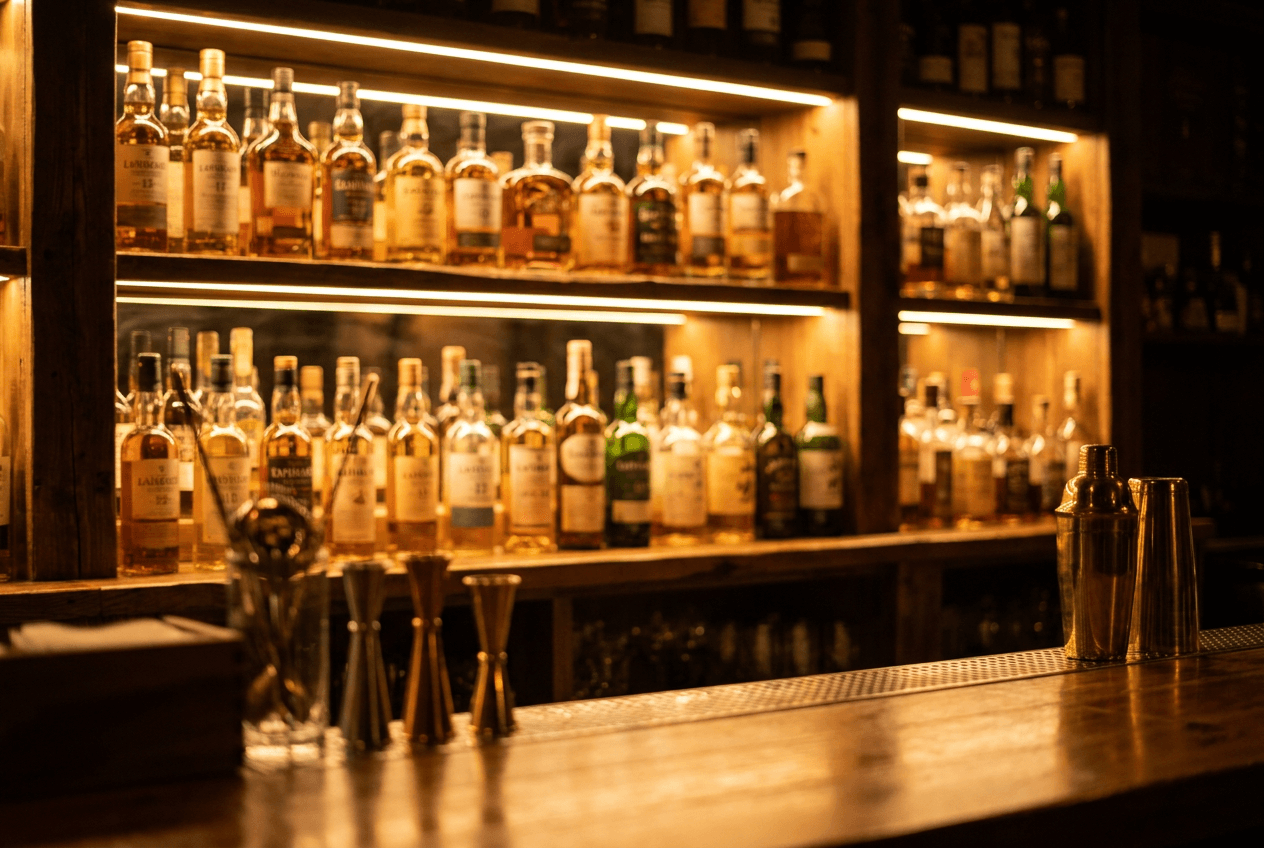
A liquor license's value depends on type, location, and transferability. In Phoenix, Series 06 bar licenses typically range from $35,000 to $75,000, while Series 12 restaurant licenses trade from $40,000 to $90,000. Understanding these valuations is critical for sellers and buyers in Arizona's competitive hospitality market.
# What Is an Arizona Liquor License Actually Worth?
A liquor license is one of the few regulatory assets that can determine the entire value of a business—or add significant premium to it. But its worth swings wildly depending on geography, license type, and what the underlying business actually earns.
The License Type Matters More Than Most Owners Realize
Not all Arizona liquor licenses are created equal. The Arizona Department of Liquor and Cannabis Control administers [several distinct license categories](https://azliquor.gov/license/), including Series 06 (bar) and Series 12 (restaurant) licenses, each with different operational rules, profit ceilings, and transferability constraints.
A **Series 06 (bar) license** permits the primary sale of beer, wine, and spirits for on-premises consumption. It is the most flexible for pure drinking establishments. A **Series 12 (restaurant) license** is tied to food service—the establishment must derive a meaningful percentage of revenue from food, and alcohol sales are secondary. This distinction matters because Series 06 licenses command different market valuations than Series 12 licenses, even in the same city, because the buyer's revenue model is structurally different.
The Series 06 license holder can run an alcohol-first business. The Series 12 license holder is committed to a food-beverage model, which carries higher operating costs and more complicated inventory management, but also appeals to a broader buyer base in many markets.
Transferability: Not a Done Deal
One of the hardest truths about Arizona liquor licenses is that they are *not* automatically transferable. An owner cannot simply sell the business and hand the license to the buyer without approval from the local licensing authority and the Arizona Department of Liquor and Cannabis Control.
Transfer approval depends on:
- **Ownership structure of the building.** If the seller owns the property, transfer is more straightforward. If the business operates under a lease, the landlord's consent is required, and some landlords object. - **Local jurisdiction rules.** Phoenix, Scottsdale, Tempe, Tucson, and Prescott each have different local licensing boards and approval timelines. Some areas have moratoria on new licenses or strict caps on the number of licenses per neighborhood. - **Seller's compliance history.** Violations, unpaid fines, or citations can delay or block a transfer. - **Buyer's background.** The licensing authority performs character checks; felony convictions or certain civil judgments can disqualify a buyer.
If the license cannot transfer to a buyer, the enterprise value collapses. This is why due diligence on license transferability is the first item a savvy broker and buyer investigate.
Fair Market Value Ranges by Market
Arizona's liquor license values are not set by state law—they are set by what willing buyers will pay in each market. Market conditions, local competition, and the strength of the underlying business create regional variance.
**Phoenix Metro (includes Scottsdale, Tempe, Mesa, Chandler):** - Series 06 (bar) licenses typically range from $35,000 to $75,000 for a transferable license in an established location. - Series 12 (restaurant) licenses usually trade in the $40,000 to $90,000 range, with premium locations commanding $100,000+. - These ranges assume the license is transferable and the business has reasonable operating history.
**Tucson:** - Series 06 licenses generally range from $20,000 to $50,000. - Series 12 licenses typically trade from $25,000 to $65,000. - Tucson's market is smaller and less competitive in many neighborhoods, which depresses license premiums.
**Prescott:** - Series 06 licenses often trade between $15,000 and $40,000. - Series 12 licenses typically range from $20,000 to $50,000. - Prescott's smaller population and tourism-dependent market create lower absolute values than Phoenix, though license scarcity in desirable areas can create local exceptions.
These ranges assume market conditions as of mid-2026 and are heavily influenced by location within each market—a license in downtown Phoenix commands a premium over one in a strip mall, and a license on a busy hotel corridor in Scottsdale is worth more than the same type of license in a suburban office park.
When the License *Is* the Business
The most counterintuitive situation in bar and restaurant sales occurs when the license value exceeds or equals the enterprise value of the underlying business.
Consider a bar or restaurant whose Seller's Discretionary Earnings (SDE)—the owner's actual take-home profit after adjustments—falls below $75,000 annually. At typical industry multiples (2.5x to 3.5x SDE for hospitality), such a business would carry an enterprise value of $187,500 to $262,500. But if the liquor license alone is worth $50,000 to $80,000, and the business is struggling, the buyer's primary asset is not goodwill or customer loyalty—it is the ability to operate legally.
In these cases, the license can represent 20 to 40 percent of the purchase price. This is especially true in tight markets like central Scottsdale or downtown Phoenix, where the scarcity of available licenses drives their standalone value upward independent of the business's profitability.
Conversely, a highly profitable restaurant with $300,000+ in SDE will command a multiple-based valuation that far exceeds the license value; the license is a cost of doing business, not the primary asset.
Calculating License Value in Your Deal
Most Arizona business brokers and valuators estimate license value using one of two methods:
1. **Market comparison.** Recent sales of comparable licenses in the same market, adjusted for location and license type. This is the most reliable method but requires access to recent transaction data.
2. **Income approach.** Less common for the license itself, but sometimes used for the entire enterprise—the license is assumed to be part of the goodwill or intangible value bundle.
A third factor is **regulatory scarcity.** If the local jurisdiction has capped licenses or declared a moratorium, license values rise because supply is fixed. Conversely, if licenses are readily available, values remain lower.
Financing and Liquor License Purchases
Most traditional bank financing does not cover the liquor license separately. Lenders will finance the business's working capital, equipment, and leasehold improvements, but the license is often paid in cash or financed by the seller as part of owner financing. This can make license costs a real constraint for buyers with limited liquid capital.
Eddy's Perspective
"A liquor license's real worth is determined by whether it can legally transfer to your buyer," notes Eddy Roche, Associate Broker at HUB AZ Brokers | Sunbelt Business Brokers. "Without transferability, you don't have a license value—you have a failed deal. That's why we verify transfer feasibility before a price is ever negotiated."
Moving Forward
Whether you are a bar or restaurant owner considering a sale, or a buyer evaluating an acquisition, the liquor license value is not incidental—it is often a make-or-break component of the deal. Geography, license type, and transferability status all drive its worth. Understanding these factors before you list or submit an offer will save significant time and heartbreak.
The Phoenix-metro business market moves quickly, and liquor license transfers add complexity to timelines. Partnering with an experienced broker who understands the local regulatory landscape—and who has relationships with licensing authorities—can accelerate approval and protect your negotiating position. BizSalesGuy.com and the brokers in the HUB AZ and Sunbelt network help owners and buyers navigate these transactions every month across Arizona.
Frequently Asked Questions
Can I automatically transfer an Arizona liquor license to a buyer?
No. Liquor licenses require approval from the local licensing authority and the Arizona Department of Liquor and Cannabis Control. The landlord's consent is required if you lease the property, and the buyer must pass a background check. Transfer approval is not guaranteed and can delay or derail a sale if compliance issues exist.
What is the difference between a Series 06 and Series 12 license?
A Series 06 license is for a bar where alcohol is the primary product. A Series 12 license is for a restaurant where food must represent a material portion of revenue and alcohol is secondary. Series 12 licenses typically command higher valuations because they appeal to buyers seeking food-beverage operations, but they also carry higher operating complexity.
What is the typical price range for a liquor license in Phoenix?
In the Phoenix metro area, Series 06 bar licenses typically range from $35,000 to $75,000, while Series 12 restaurant licenses trade from $40,000 to $90,000 or more in premium locations. Tucson and Prescott see lower ranges due to smaller markets. Exact values depend on location, transferability status, and local market conditions.
When does a liquor license become the main business asset?
When a bar or restaurant generates SDE (Seller's Discretionary Earnings) below $75,000 annually, the liquor license may represent 20–40% of the purchase price or more. In tight markets, license scarcity can make the license itself worth $50,000–$80,000, approaching or exceeding the underlying business value for a struggling operation.
Thinking about buying or selling a business in Arizona?
Eddy Roche is an Associate Broker at Sunbelt Business Brokers. He covers the full Phoenix metro and Prescott market.