
Seller guides
Guides for Arizona business owners preparing to sell
Valuation, SDE, deal structure, and the sale process — written for owners who want a defensible asking price and a clean close. Start with a confidential business valuation.
Valuation & pricing

EBITDA vs SDE: Which Earnings Number Matters for Your Phoenix Business Sale
SDE and EBITDA measure different buyer profiles and sale sizes. Understanding which denominator applies to your business—and at what revenue threshold the switch occurs—is critical to avoiding a valuation surprise when your deal goes to market.

What Makes a Buyer Pay Above Asking on a Phoenix-Metro Business
Most buyers negotiate down, but some pay above asking price. We break down the five concrete conditions that signal premium value to sophisticated Phoenix-metro business buyers and help owners understand what positions a sale for multiple offers.

What Is an Arizona Liquor License Actually Worth?
An Arizona liquor license can represent a significant portion of a bar or restaurant's business value. Understanding the differences between license types, transferability rules, and market comparables across Arizona's major metros is essential for any owner considering a sale or buyer evaluating an acquisition.
How to Calculate SDE: The Adjustments That Move Your Sale Price
SDE (Seller's Discretionary Earnings) is the core metric for valuing small businesses. Learn how to calculate it step-by-step, apply the three-year weighted average, identify legitimate add-backs, and avoid common mistakes that undermine your sale price.

Add-Backs Buyers Will Accept (And the Ones They Quietly Discount)
Owner add-backs can boost EBITDA and valuation, but not all expenses survive buyer scrutiny. Learn which categories hold up in due diligence and which ones undermine credibility—and your sale price.
Deal process

Closing a Business Purchase in Arizona: TPT Licenses, Escrow, and What Transfers
When an Arizona business sale closes, the buyer doesn't inherit the seller's transaction privilege tax license—they must apply for their own. Understanding what transfers, what requires reissue, and how escrow protects both parties is the difference between a smooth close and a costly legal liability.

From LOI to Purchase Agreement: What Sellers Should Expect to Negotiate Twice
An LOI is not the deal—it's the roadmap. Between LOI and the Definitive Purchase Agreement, sellers should expect to re-negotiate material terms like working capital pegs, indemnity caps, non-compete scope, and disclosure schedules. Understanding where these conflicts arise and preparing for them early protects your bottom line.

Why a 270-Day Listing Period Costs You Less Than 90 Days
The length of time you list a business for sale directly affects the quality and number of buyers you attract—and the price you ultimately receive. A longer listing window expands your qualified buyer pool and reduces pressure to accept desperation pricing.

Selling the Business and the Real Estate: Bundle, Lease-Back, or Separate Sale
Arizona owner-occupants face a critical structural choice when exiting: sell the business and building together, retain and lease the building back, or divide the sale into two separate transactions. Each approach carries distinct tax implications, pricing trade-offs, and buyer appeal.

Five Due Diligence Red Flags That Kill Phoenix-Metro Business Sales
Due diligence kills most deals not in weeks one or two, but in weeks four through six—when inconsistent financials, undisclosed payroll, equipment-lease surprises, landlord-assignment issues, and deferred maintenance suddenly emerge. Learn the five red flags that derail Phoenix-metro business sales and how to prevent them.

NDA to Close: The 90-Day Timeline for an Arizona Business Sale
From signed NDA to closing day, most Arizona business sales follow a predictable 90-day timeline. Understanding each phase—due diligence, LOI, escrow, and license transfer—helps sellers and buyers set realistic expectations and avoid costly delays.

Asset Sale vs. Stock Sale in Arizona: Which Structure Costs You More?
Asset and stock sales carry fundamentally different tax and liability consequences for Arizona business owners. Understanding the structural trade-offs—capital gains treatment, liquor license complications, and state tax burden—helps you avoid expensive surprises at closing.

Non-Competes in Arizona Business Sales: What's Actually Enforceable
Arizona courts enforce non-compete agreements only when they meet strict reasonableness standards on geography, duration, and scope of trade. Understanding what actually holds up in litigation can save buyers millions and help sellers draft agreements that survive challenge.

The Seller Transition Period: Planning Your Time After Close
The length and structure of your transition period after selling a business—whether paid, unpaid, two weeks, or three months—directly shapes how buyers perceive owner-dependence and can influence valuation. Understanding what gets documented and how long is typical helps sellers set realistic expectations.

The Landlord Decides Your Sale: Lease Assignment in Phoenix Commercial Real Estate
When you sell a business occupying leased space, your landlord's consent to assign the lease is often the overlooked gatekeeper of the entire deal. Most commercial leases require explicit landlord approval, and many deals stall or fall apart when owners discover negotiating consent is far harder than anticipated.
Financing

Industry niches

Selling an Arizona-Based E-Commerce Business: What Buyers Look For in 2026
E-commerce businesses headquartered in Arizona attract national buyers for concrete operational reasons—no inventory tax, central logistics positioning for West Coast distribution, and transparent financial metrics that make valuation straightforward. This guide walks through the financial benchmarks, platform dependencies, and deal structures that today's acquirers use to evaluate an Arizona-based online seller.

How Restaurants Are Valued in Arizona: SDE Multiples and What Sellers Should Expect
Arizona restaurant valuations rely heavily on SDE multiples, which vary significantly by concept type and license category. Understanding where your business sits on the valuation spectrum—and how liquor licenses affect the math—is essential for setting realistic sale expectations.

Auto Repair Shops in Arizona: Valuation, Owner Transitions, and What Buyers Must Verify
Auto repair shops in the Phoenix metro command 2.5–3.5x SDE multiples, but the biggest challenge isn't price—it's the customer trust that walks out the door when the owner-mechanic leaves. This article examines how successful sellers structure earnouts and what buyers should require in due diligence to bridge that risk.
Valuing a Franchise Resale in Phoenix: What's the Brand Worth Beyond the Cash Flow
Franchise resales in the Phoenix metro trade at different multiples than independent businesses, and the franchisor's approval process, transfer fees, and remaining term all shape final valuation. Learn what drives price in franchise transactions.
Why Service Businesses Trade at Higher Multiples Than Restaurants in Phoenix
Service businesses in the Phoenix market typically command multiples of 2.5–4x SDE, while restaurants trade closer to 2x. The difference lies in recurring revenue streams, lower capital requirements, and reduced owner dependency—structural advantages that directly impact valuation and buyer appeal.
Working with a broker

How Arizona Business Brokers Get Paid: Fees, Minimums, and What Is Actually Negotiable
Arizona business brokers typically charge 12% commission on the first $1 million, 8% on the second million, with a minimum fee floor—but these rates are more negotiable than many sellers realize if you understand the economics underneath.

Co-Brokering in Arizona: When Two Brokers Are Better Than One
Co-brokering—where a listing broker and a buy-side broker share a commission—is standard in Arizona business sales. Learn how fee splits work, why buyers benefit despite sellers paying both fees, and how IBBA referral networks create deal flow across independent brokerage firms.

FSBO vs. Broker-Listed in Phoenix: Why Unrepresented Sellers Leave 30% on the Table
Business owners selling without a broker in Phoenix often realize 20–30% less in final sale price than broker-listed comparables. This gap persists even after accounting for broker commissions, driven by limited buyer access, weak deal structure, and information leaks that tank value mid-transaction.

What Credentials Should an Arizona Business Broker Have?
Choosing the right business broker in Arizona requires understanding which credentials matter most. A qualified broker should hold an Arizona real estate license, relevant intermediary certifications, and affiliate with an established brokerage firm.

What an Arizona Business Broker Actually Does: A Day-by-Day Account
Business brokers do far more than list and sell. From financial recasting and buyer screening to due-diligence coordination and escrow logistics, the work is detailed and essential—and largely invisible until something goes wrong.
More guides

Selling to Family or Key Employee: Price, Financing, IRS Rules
Inside sales to family members or long-time managers fail when the price looks like a gift to the IRS or the buyer has no cash. Here's how to structure a defensible valuation, navigate gift-tax exclusions, and secure financing that treats a family buyer the same as a stranger.

What Happens to Your Employees When You Sell
When you sell your business in an asset sale, your company's payroll ends and the buyer rehires staff under a new employer account. Understanding final payroll filings, accrued PTO, retention incentives, and how employee risk affects your offer is critical to protecting both your team and your deal value.

How Businesses Sell Without Employees, Customers, or Competitors Finding Out
Most business sales in Arizona stay under wraps until the buyer is vetted and the deal is near-final. Here's how the system actually works, when your landlord and staff find out, and the two real ways confidential sales leak.

Buying an Existing Business vs. Starting One
Most entrepreneurs assume starting a business from scratch gives them more control, but the survival data tells a different story. Acquired going concerns outperform startups by a wide margin, mostly because they come with cash flow, trained staff, and customer relationships already in place—things that take years to build from zero.
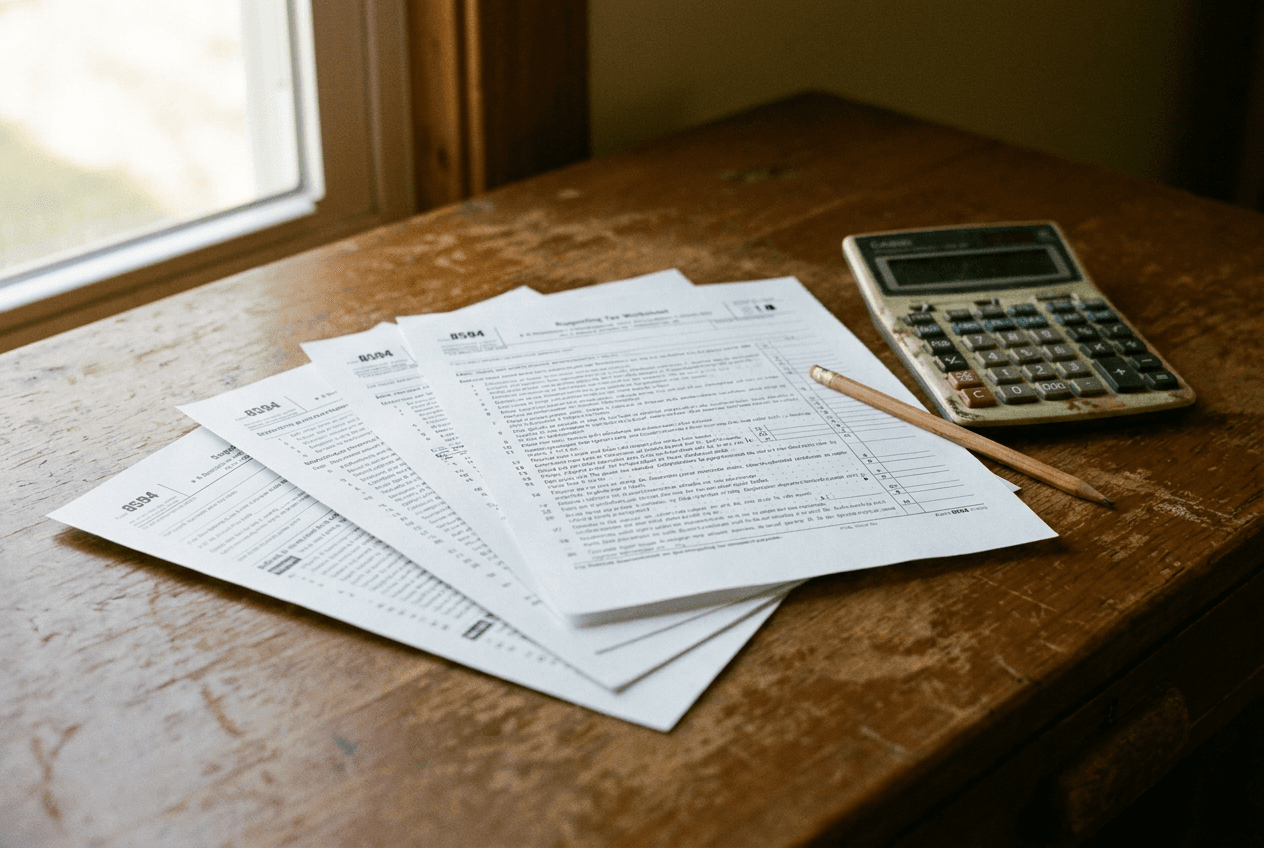
Purchase Price Allocation: The Tax Form That Decides Your Gain
When you sell a business as an asset sale, the purchase price splits across seven IRS asset classes on Form 8594 — and that split decides how much tax you owe. Here's why both buyer and seller fight over allocation, and why I raise it in the LOI instead of leaving it to the CPAs.

Clean Books Sell Businesses: How to Prepare Your Financials Before Listing
Buyers and their lenders ask for three years of tax returns, profit-and-loss statements, and a documented add-back schedule. Most sellers don't have these ready. Here's what financial preparation actually takes, and why starting six to twelve months before listing saves time and money.

How to Sell a Business in Arizona: The Complete Guide from a Working Broker
The full seller journey, from a broker who runs it weekly: SDE valuation, financial prep, confidential marketing, LOI to close, and the Arizona-specific friction — liquor licenses, lease assignment, TPT.
Will Your Buyer Qualify for SBA 7(a)? The Five Tests Phoenix Lenders Run
SBA 7(a) loans power most small business acquisitions, but lenders apply five gatekeeping tests that disqualify buyers before closing. Sellers who prequalify buyers on these criteria early avoid wasted due diligence and dead deals.

Construction Trades in Arizona: Why HVAC, Plumbing, and Electrical Businesses Command Buyer Demand
HVAC, plumbing, and electrical contractor businesses dominate buyer inquiries across Arizona's broker network. Learn why these trades command 3–5x SDE multiples, how Arizona ROC licensing affects valuation, and what operational structure determines whether a business stays owner-dependent or becomes truly scalable.
Ready to price the file or talk through a sale?