What Is an Arizona Liquor License Actually Worth?
Arizona Business Broker · June 13, 2026
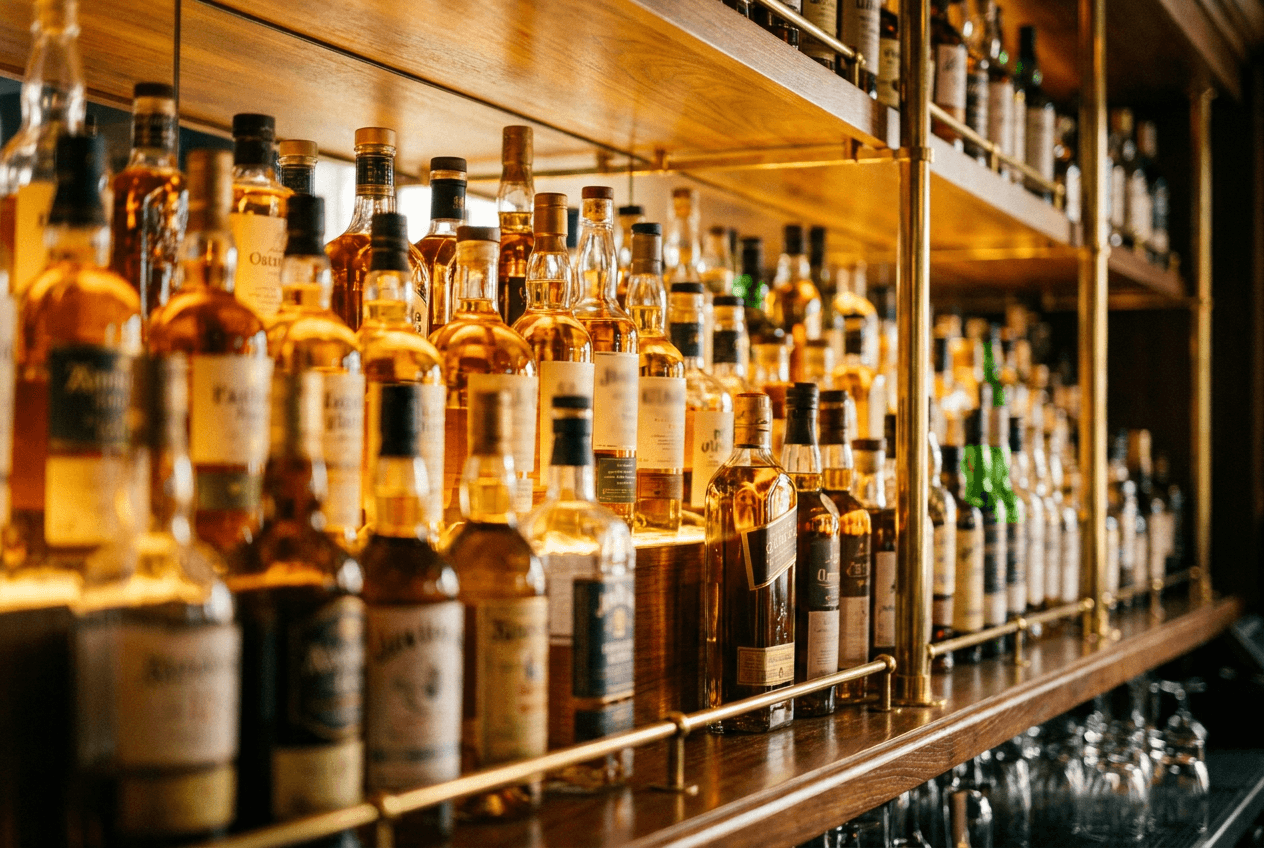
Liquor licenses carry independent market value in Arizona that often exceeds what a business's current earnings suggest. Learn how Series 06 and Series 12 licenses are valued across Phoenix, Prescott, and Tucson, and why the license itself sometimes represents the entire enterprise value.
Arizona liquor licenses represent a discrete asset that can carry substantial value independent of the underlying business—and in many cases, that license alone may constitute the bulk of enterprise value. Understanding how these licenses are valued, what types exist, and how they differ across the state is critical for both buyers and sellers navigating a transaction.
License Types and Scarcity in Arizona
Arizona recognizes distinct liquor license categories, each with different operational requirements and transferability constraints. The [Arizona Department of Liquor licensing framework](https://azliquor.gov/license/) outlines multiple license types, with Series 06 (Bar) and Series 12 (Restaurant) licenses representing the most commonly traded in the market.
A Series 06 license authorizes the operation of a standalone bar with minimal food service obligations. A Series 12 license permits a restaurant to serve alcohol as an ancillary revenue stream but requires that food sales meet a percentage threshold of total revenue—typically no less than 30% in most jurisdictions. This distinction matters enormously to valuation because it determines the operational flexibility of the business and, by extension, the pool of potential buyers.
The scarcity of available licenses in any given geographic area directly influences their market value. Arizona does not issue unlimited licenses; they are tied to population ratios and geographic locations. In some mature markets like Phoenix, the ability to acquire a new license may be restricted or prohibitively expensive, making existing licenses significantly more valuable as a result.
Transferability and Title Considerations
One of the most critical factors in liquor license valuation is transferability. Not all licenses transfer at full value, and some carry restrictions that affect their utility to a new owner.
A Series 06 or Series 12 license can generally be transferred between owners provided the new owner meets the Department's character and financial requirements. However, the license remains tied to the specific premises. If a business relocates, the license does not automatically follow; the owner must reapply or seek a new license at the new location. This creates a scenario where the license value is site-specific and may not travel if the buyer intends to move the operation.
For restaurant buyers, the Series 12 designation allows more operational flexibility than a Series 06. A Series 12 license holder can reduce or adjust alcohol service without violating the license terms, provided food revenue thresholds are met. A Series 06 license holder, by contrast, is obligated to operate primarily as a beverage-focused establishment.
Fair Market Value Ranges Across Arizona Geographies
Liquor license valuations vary significantly across Arizona based on population density, local demand, and competitive saturation.
**Phoenix Metropolitan Area:** In the greater Phoenix market, where demand for liquor-licensed establishments remains robust and population continues to grow, fair market values for Series 06 licenses typically range from $40,000 to $120,000, depending on the specific neighborhood and local demand. Series 12 licenses command comparable ranges but often trend higher when attached to high-performing food-service establishments. Desirable neighborhoods—downtown Phoenix, Scottsdale, Tempe, and central Phoenix corridors—show stronger valuations than peripheral areas.
**Prescott:** The Prescott market, smaller and less densely populated, typically sees Series 06 and Series 12 license valuations in the $30,000 to $75,000 range. The smaller market and seasonal tourism patterns create less consistent demand than Phoenix.
**Tucson:** Tucson occupies a middle position. License valuations typically range from $35,000 to $90,000 for both Series 06 and Series 12, with variation based on neighborhood desirability and foot traffic.
These ranges are not rigid; they fluctuate based on local economic conditions, competitive saturation, and the specific performance of the establishment holding the license.
When the License Becomes the Enterprise Value
One of the most important scenarios for sellers to understand occurs when the business's Seller's Discretionary Earnings (SDE) fall below $75,000 annually. In these cases, the liquor license itself may represent the majority—or even the entirety—of the business's enterprise value.
Consider a small bar in an emerging Phoenix neighborhood generating $60,000 in annual SDE. The buyer is not primarily purchasing the business operations; they are purchasing the right to operate a licensed establishment in that location. A prospective buyer could theoretically replace the operator, rebrand, and reshape the business model while retaining the license. In such scenarios, the license valuation becomes the floor of any asking price.
This dynamic explains why some underperforming bars or restaurants with high-quality licenses in prime locations still command sale prices: the license itself carries value regardless of current earnings. Conversely, a highly profitable restaurant in a location where licenses are abundant may see the license carry proportionally less value relative to the business's intangible assets and goodwill.
Valuation Methodology
Liquor license valuations typically employ one of three approaches:
1. **Comparable Sales:** Brokers analyze recent transfers of similar licenses in the same market area. A Series 06 transfer in Scottsdale six months prior provides a benchmark for current valuations.
2. **Income Approach:** For licenses attached to operating businesses, brokers may capitalize a portion of earnings attributable to the license itself, though this is less common and more subjective.
3. **Cost/Market Approach:** Recognizing that licenses cannot be created at will (in most markets) and that replacement cost is high, valuations often reflect what a buyer would realistically pay to acquire similar rights rather than attempt to obtain a new license.
The most reliable method is comparable sales—tracking actual license transfers in the same geography and license type over a 12–24 month period.
Practical Implications for Owners and Buyers
For a seller, understanding that your liquor license carries independent value is crucial. If your business is underperforming operationally, you may still have significant asset value to realize through a sale. For a buyer, recognizing that you are acquiring a valuable, non-renewable right should inform your offer structure and due diligence process.
> "Liquor licenses are often the most undervalued and overlooked asset in a bar or restaurant sale," says Eddy Roche, Associate Broker at HUB AZ Brokers | Sunbelt Business Brokers. "Owners frequently anchor their valuation to recent earnings, but the license itself has independent market value that sometimes exceeds what a weak SDE would suggest."
A critical step in any transaction is formal license valuation by the broker, combined with confirmation from the Arizona Department of Liquor that the license can be transferred and will be renewed under new ownership. License restrictions, local option elections, or pending regulatory changes can affect that value materially.
For business owners and buyers across the Phoenix metro region contemplating a transaction in the hospitality or food-and-beverage sector, liquor license valuation is a distinct technical component—not an afterthought. Understanding your license's independent value, the geographic and competitive factors that drive it, and how it sits within the broader business valuation ensures you are negotiating from a position of informed clarity. BizSalesGuy.com and the team at HUB AZ Brokers | Sunbelt Business Brokers help owners and buyers in the Phoenix metro navigate these complexities and structure deals that reflect the true value of all assets on the table.
Frequently Asked Questions
What is the difference between a Series 06 and Series 12 liquor license in Arizona?
A Series 06 (Bar) license authorizes operation of a standalone bar with minimal food service requirements. A Series 12 (Restaurant) license permits alcohol service as an ancillary business but requires food sales to meet a threshold—typically 30% of total revenue. Series 12 licenses offer more operational flexibility, while Series 06 holders must operate primarily as beverage-focused establishments.
Do Arizona liquor licenses transfer to a new owner?
Yes, licenses can generally transfer between owners who meet the Arizona Department of Liquor's character and financial requirements. However, the license remains tied to the specific premises. If the business relocates, the owner must reapply or seek a new license at the new location, so the license does not automatically follow the business to a new address.
What is a typical fair market value for a liquor license in Phoenix?
In the greater Phoenix area, Series 06 (Bar) and Series 12 (Restaurant) licenses typically range from $40,000 to $120,000, depending on neighborhood, local demand, and competitive saturation. Desirable areas like downtown Phoenix, Scottsdale, and Tempe command higher valuations. Values are lower in secondary markets like Prescott ($30,000–$75,000) and Tucson ($35,000–$90,000).
When does a liquor license represent the entire business value?
When a business's annual Seller's Discretionary Earnings (SDE) fall below $75,000, the liquor license itself often represents the majority or entirety of enterprise value. In these cases, buyers are primarily purchasing the right to operate a licensed establishment in that location, not the underlying business operations. The license becomes a floor for any asking price.
Thinking about buying or selling a business in Arizona?
Eddy Roche is an Associate Broker at Sunbelt Business Brokers. He covers the full Phoenix metro and Prescott market.