Selling the Business and the Real Estate: Bundle, Lease-Back, or Separate Sale?
Arizona Business Broker · July 1, 2026
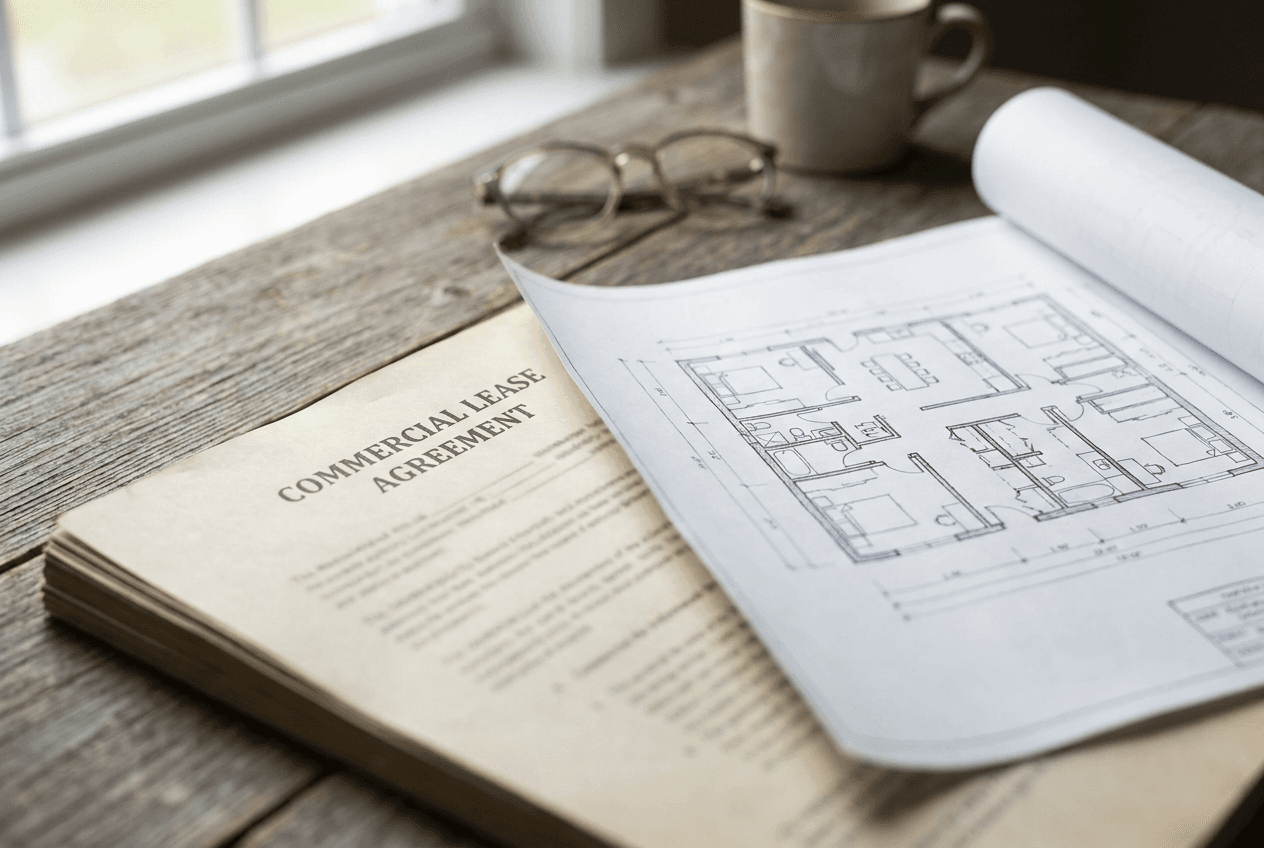
Owner-occupants in the Phoenix metro often face a critical choice: sell the business and building together, lease the property back to the buyer, or divide the transaction into separate asset and real estate sales. Each structure carries distinct tax, cash flow, and valuation consequences.
# Selling the Business and the Real Estate: Bundle, Lease-Back, or Separate Sale?
When an Arizona owner-occupant decides to sell, the decision often hinges on a single structural question: should you sell the business and building together, separate them into a lease-back arrangement, or execute two distinct transactions? The answer shapes not only the transaction timeline and complexity but also the total cash received, the buyer's financing profile, and your tax liability. Understanding these three structures—each with different economics—is essential before you sign anything.
The All-In-One Bundle: Business and Building Together
The simplest structure on the surface is the bundled sale. You sell both the operating company and the real estate to a single buyer in a single closing. From a cash perspective, this is often attractive: no ongoing landlord-tenant relationship, no lease-back risk, and the buyer acquires both the cash-flowing business and the appreciating real estate.
For the buyer, however, the bundle can complicate financing. Most commercial lenders require the buyer to allocate purchase price between the business assets (equipment, inventory, goodwill, customer lists) and the real property. Because real estate typically qualifies for conventional mortgage financing at more favorable rates than business asset loans, the buyer's blended cost of capital matters. A bundle forces the allocation onto the buyer's CPA and lender, and disagreements over fair allocation can slow closing.
From a tax standpoint, the seller faces Section 1245 recapture on depreciable personal property (equipment, fixtures) and capital gains on the real estate appreciation. If you've owned the property long-term, the real estate portion often enjoys long-term capital gain treatment. The business goodwill portion is also taxed as a capital gain if structured under Section 338(h)(10) or a simple asset sale, though the rate depends on your entity structure and state tax residency.
**Pricing implications:** Bundled sales typically command full market multiples because the buyer assumes all operational and property risk. The real estate value is not discounted for lack of control, and the business valuation flows to a buyer with both income and equity upside. On [CBRE Phoenix's latest commercial market data](https://www.cbre.com/insights/local-response/phoenix), class-A office and industrial properties trade at cap rates ranging from 4.5% to 6%, meaning a buyer with strong income coverage can justify a premium purchase price for the bundled package.
The Lease-Back Structure: Sell Business, Retain or Sell Real Estate Separately
In a lease-back, the buyer acquires the operating company and signs a long-term lease for the real estate. This can take two forms:
1. **Buyer leases from the seller:** You retain ownership of the building and receive monthly lease payments. This creates ongoing landlord duties and potential vacancies, but preserves your real estate appreciation upside.
2. **Buyer leases from a third-party landlord:** You sell the real estate separately (often to an investor or REIT) and the buyer leases it. You receive a lump sum from the property sale, and the buyer's rent obligation flows to a landlord.
The lease-back structure appeals to buyers who want to avoid real estate financing and preserve working capital for operating expense and growth. It also appeals to sellers who believe the real estate will appreciate faster than the business multiple—in that case, you've "monetized" the business at current multiples while retaining the property as an appreciating asset.
However, lease-back structures introduce friction. The buyer—now a tenant—is exposed to lease escalations, property tax increases, and the landlord's investment priorities. A well-drafted triple-net lease (where the tenant pays property tax, insurance, and CAM) protects the landlord's returns but adds to the tenant-buyer's cost structure. The buyer will typically capitalize the lease payment into their business's valuation, reducing their willingness to pay for goodwill and other intangibles.
**Tax and pricing trade-offs:** In a lease-back, you recognize capital gain on the real estate sale immediately (or over time if seller-financed) and ordinary income or capital gain on the business sale, depending on structure. The buyer, as a tenant, deducts lease payments as an operating expense, which lowers taxable income but also reduces the business's net income available to service business debt. The business itself—now without real estate—often trades at a lower multiple because it has lower equity value and because the lease obligation reduces cash available for debt service.
If you're selling both the business and the real estate but to different buyers, this works—the property investor acquires a stabilized tenant with a long-term lease, and you achieve a clean split between operating income and property income. But if you're retaining the property as a landlord, the buyer's reduced cash flow may lower their bid for the business itself.
The Separate Sale Structure: Two Closings, Two Transactions
A third path is to close the real estate sale first (or simultaneously), then close the operating company sale. This is often used when an owner wants to remove equity from the property before selling the business, or when the property and business have different buyers and timelines.
**Mechanics:** You sell the real estate to a property buyer (investor, 1031 exchange buyer, or owner-occupant in a different business). Simultaneously or shortly after, the business buyer steps into a lease arrangement with the new property owner. The lease-back protection here is clear: you're not the landlord, so you have no ongoing obligations.
**Tax considerations:** Real estate is taxed separately from the business. You can use a 1031 exchange on the property sale to defer capital gains (if you reinvest in like-kind real property within the required timelines), while the business sale is typically taxed in the year of closing. Some sellers strategically use this to smooth income across years or to trigger losses in one component that offset gains in the other.
The downside: two closings, two sets of closing costs, two lender underwriting processes, and potential timing misalignments if the property buyer's timeline doesn't match the business buyer's. If the business sale falls through after the property closes, you're now the former owner with no ongoing business, and the new tenant-buyer relationship is untested.
Valuation Differences and What Matters to Phoenix-Area Buyers
A Phoenix buyer's decision to pursue bundle, lease-back, or separate structures depends heavily on their financing access and use of proceeds. Owner-operators with strong balance sheets often prefer the bundle because they can leverage the real estate to support SBA or conventional business loans. Smaller buyers or those with cash constraints favor lease-backs to preserve capital.
From a market-rate perspective, [commercial cap rates in the Phoenix metro](https://www.cbre.com/insights/local-response/phoenix) affect what the property is worth independently. If cap rates are compressing (buyers accepting lower yields), the real estate is commanding higher multiples relative to business cash flow, which may signal that a lease-back buyer should be especially cautious about escalating lease terms.
**Eddy Roche's perspective on structuring:** "The best structure depends on what the buyer actually needs to finance the deal and what you need to optimize your after-tax proceeds. A lease-back can be attractive if you believe in the property's appreciation, but it often depresses what you can charge for the business—the buyer's cost of occupancy becomes a drag on valuation. If you can, bring the buyer and their lender into early conversations about structure; most buyers know what will actually close by the time they're serious, and forcing the wrong structure costs you money."
Practical Steps for Phoenix Sellers
Before you choose a structure, ask yourself:
- **Do I believe the real estate will appreciate faster than the business multiple?** If yes, consider retaining it via lease-back or separate sale. - **Can the buyer access conventional real estate financing easily?** If yes, a bundle is simpler and typically commands full price. - **Do I have a timeline preference for tax recognition?** A separate or lease-back structure may allow you to spread gain recognition or time losses strategically. - **How much control do I want after closing?** Bundles mean zero landlord duties; retaining property via lease-back or ownership means ongoing management and potential tenant disputes.
The right structure is not one-size-fits-all. It depends on your tax position, the buyer's access to capital, the competitive strength of your real estate market (which cap rates reflect), and your confidence in the buyer's ability to sustain the lease obligation.
Work with your accountant and broker early to model the after-tax proceeds and timelines for each scenario. Many Phoenix-area owners find that a conversation with Eddy or a broker at BizSalesGuy.com—firms that understand both business valuation and commercial real estate markets—clarifies the numbers quickly and prevents expensive missteps at the offer stage. The structure you choose at the beginning of the sale process will echo through your final check and your tax return for years.
Frequently Asked Questions
What is the difference between a lease-back where I retain the property versus selling it to a third-party landlord?
If you retain the property and lease it back, you remain the landlord, collect rent payments, and retain the real estate appreciation upside—but you also carry landlord responsibilities like property maintenance and potential vacancy risk. If you sell the property to a third-party investor or landlord, you receive a lump sum at closing and have no ongoing landlord duties, but you forfeit future appreciation. The buyer's lease obligation then flows to the new property owner.
How do cap rates affect what the real estate portion of my sale is worth?
Cap rates (net operating income divided by property value) reflect buyer demand for commercial real estate. When Phoenix-area cap rates are low, investors and owner-occupants are willing to pay higher prices for the same income stream, which means your real estate is worth more. Conversely, higher cap rates mean lower property values. This directly impacts how much a buyer will pay for a bundled business-and-real-estate deal, and it affects the economics of a lease-back, where the lease rate may need to adjust to reflect the property's true market value.
Which structure minimizes my tax bill?
There is no universal answer; it depends on your cost basis, how long you've held the property and business, and your tax bracket. Real estate held long-term typically enjoys long-term capital gain rates. A separate real estate sale can sometimes qualify for a 1031 exchange (deferring tax entirely if you reinvest), while the business sale is usually taxed in the year of closing. Consult your CPA before committing to a structure; the tax differences can easily swing six figures.
Why would a buyer prefer a lease-back if it lowers the business valuation?
A buyer may prefer a lease-back because it preserves cash for operations, reduces their debt burden (since they're not financing real estate), and simplifies their balance sheet. Some buyers also view it as lower risk—if the business underperforms, they can renegotiate or exit the lease more easily than they could sell an encumbered property. Smaller buyers with limited capital almost always prefer lease-backs for this reason, even if it means paying a lower multiple for the business itself.
Thinking about buying or selling a business in Arizona?
Eddy Roche is an Associate Broker at Sunbelt Business Brokers. He covers the full Phoenix metro and Prescott market.