Landlord Consent and Lease Assignment: Why This Clause Derails Phoenix Commercial Sales
Arizona Business Broker · August 6, 2026
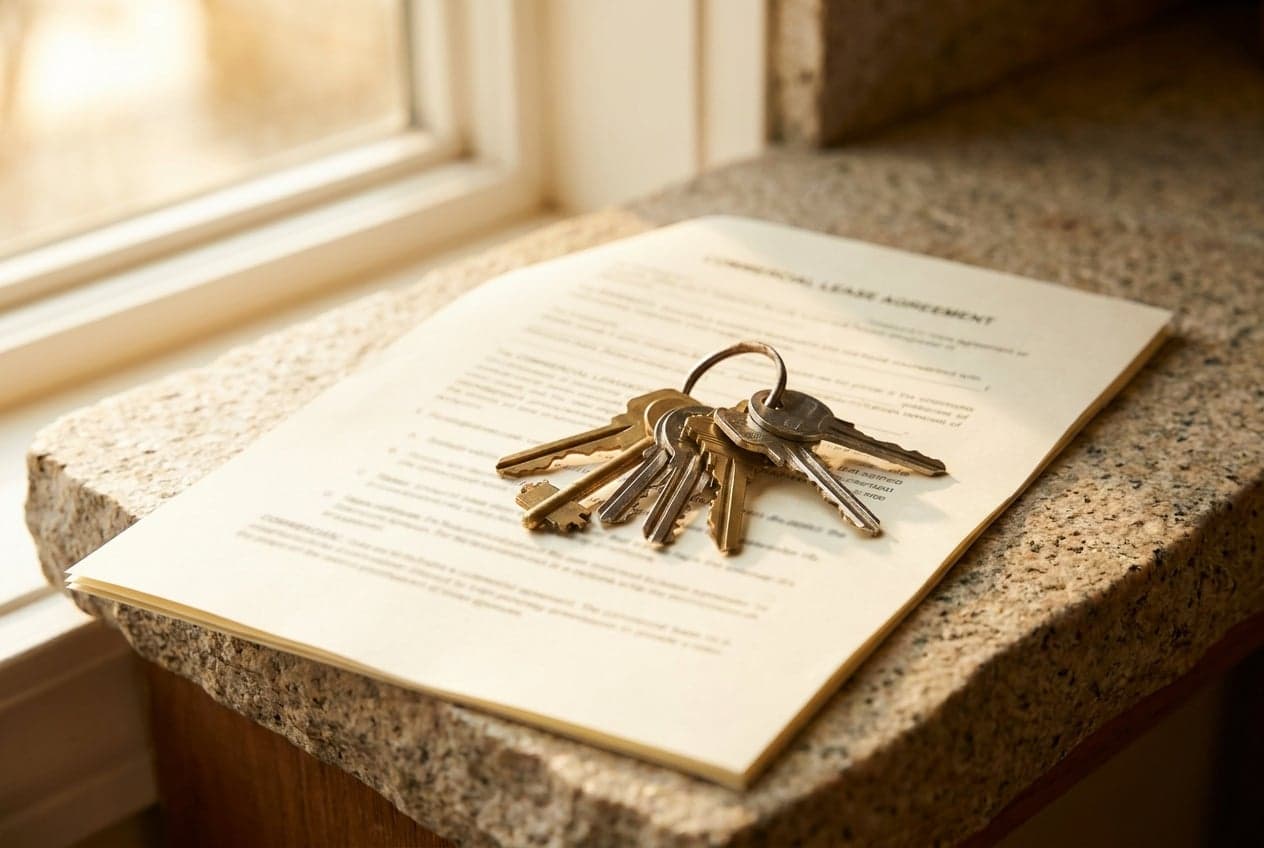
Most commercial leases require landlord approval to transfer the business—and landlords often demand steep conditions in return. Understanding what to expect, how to negotiate early, and why this single clause kills deals in Phoenix.
When a Phoenix business owner lists their company for sale, they usually focus on the business itself: revenue, customer base, growth trajectory. But then a buyer emerges, terms are negotiated, and suddenly the deal stalls because the landlord refuses to approve the lease assignment—or demands conditions the buyer won't accept. This is the silent deal-killer that stops roughly one in three commercial transactions before they close, and it often catches first-time sellers completely off guard.
Why Lease Assignment Matters More Than Most Owners Realize
A commercial lease is a contract between the landlord and the tenant. When you sell your business, the buyer doesn't automatically inherit your lease. The landlord has the legal right to approve—or reject—whoever takes over as the new tenant. This is spelled out in what's called a "lease assignment" clause, and it's almost always written in the landlord's favor.
For restaurant owners, retail tenants, service providers, and any business operating in a leased space, this clause is not a formality. It's a negotiating point the landlord will use to extract additional value when they sense a sale is happening. The owner who doesn't address this early often finds themselves with a buyer ready to close but no deal because the landlord's demands have become dealbreakers.
What Landlords Typically Demand During Assignment
Landlords have learned, over decades of commercial real estate transactions, that a business transfer is their moment to improve the economics of the lease. Here's what they commonly ask for:
**A Personal Guarantee from the New Tenant** If the seller has personally guaranteed the lease, the landlord will almost always require the buyer to do the same. This removes the landlord's recourse if rent goes unpaid. If the seller isn't personally guaranteeing (which happens occasionally in larger leases), the landlord will insist the buyer does. This exposes the new owner's personal assets if the business fails.
**A Rent Increase** The most direct demand. The landlord might ask for 5%, 10%, or even 15% higher rent effective on the assignment date. They reason: the buyer thinks the business is worth buying, which means the lease was underpriced. Market rent may also have risen since the original lease was signed. Many landlords will demand a bump as a condition of consent.
**An Extended Lease Term** Rather than (or in addition to) a rent increase, the landlord might demand a lease renewal with additional years locked in at higher rates. This shifts the risk of future rate escalation to the tenant and locks in cash flow predictability for the landlord.
**A Capital Contribution or Broker Commission Penalty** Occasionally, a landlord will demand the buyer contribute to building improvements, pay a portion of any broker commission, or pay an "assignment fee." This is less common but does appear in highly competitive markets or when the landlord is sophisticated and negotiating leverage is strong.
**Right to Recapture** Some landlords insert a clause allowing them to recapture the space if the tenant assigns the lease—meaning the landlord can take back the space, or require the tenant to pay the difference between the new rent the landlord can lease at and the assignment rent. This is particularly common in percentage leases in retail.
Why Landlords Press Hard During Assignment
Landlords aren't being unreasonable; they're being rational. A lease assignment is the only moment they have leverage to renegotiate without actually evicting the tenant. Market conditions may have changed, the original deal may have been struck during a soft market, or the landlord simply sees an opportunity. From their perspective, if the business is worth enough to sell, the lease is worth more rent.
Retail and restaurant leases see the most aggressive landlord behavior during assignment. These tenants are visible, often highly profitable during good years, and landlords know that a buyer willing to pay a premium for the business can usually absorb a moderate rent increase. Service-based businesses in secondary spaces sometimes get easier terms, but don't count on it.
How to Negotiate Consent Before You Need It
The best strategy is to open the landlord conversation long before the "For Sale" sign goes up. Here's why and how:
**Request a Lease Amendment Early** If you own a business with 2–5 years left on the lease and you're beginning to think about a sale, have a quiet conversation with the landlord. Propose a lease renewal or amendment that includes a favorable lease-assignment clause. Offer to extend the term in exchange for a reasonable "assignment provision" that sets clear expectations—e.g., the landlord's consent cannot be unreasonably withheld, no additional rent increase on assignment, or a defined rent bump (2–3%) rather than an open negotiation. Landlords are usually more flexible when there's no deal pressure.
**Put the Assignment Language in Writing** Never rely on a handshake or verbal assurance. Any agreement about assignment terms must be in the lease document or a signed amendment. Landlords change, managers turn over, and memory is fallible. You want the next person occupying the landlord's office to be bound by what was agreed.
**Understand Your Lease's Current Language** Before you market the business, have a commercial real estate attorney review the assignment clause. Know exactly what rights you have and what the landlord can demand. Some leases say "consent shall not be unreasonably withheld"; others say the landlord has absolute discretion. That difference is enormous and will shape your negotiating position.
**Present the Buyer to the Landlord as "Approved by You"** Once you have a buyer, bring the landlord into the conversation early—before the purchase agreement is signed. Work with your broker to present the buyer's qualifications: financial strength, operating history, credit profile. If the buyer is substantially stronger than you are, frame it that way. Landlords are more likely to approve assignments to operationally solid tenants than to treat it as pure leverage.
**Offer to Subordinate the Assignment Approval to Financing** In your purchase agreement, condition the buyer's obligation to close on obtaining the landlord's written consent to assignment. Don't let the buyer proceed to inspection, due diligence, and financing assuming they'll get consent later. Nail this down early.
Common Negotiating Outcomes
Not every landlord will demand a rent increase, and not every assignment will get hung up. Here's what typically happens:
- **Strong tenants with short lease terms remaining:** The landlord may approve assignment with minimal conditions, particularly if they're already planning to renegotiate at renewal anyway. - **Retail or restaurant tenants in competitive locations:** Expect a 3–5% rent bump or a 2–3 year extension. - **Tenants with long lease terms remaining at favorable rates:** The landlord will press hard for a rent increase or extension, sometimes both. - **Assignment to a financially weak buyer:** The landlord may demand higher rent, an extended personal guarantee, or even refuse consent unless the seller remains liable for the lease.
What Happens If the Landlord Refuses?
Refusal is rare but possible, particularly if the lease is very profitable to the landlord at current rates or the buyer's profile is weak. If consent is refused, the seller has limited options:
The buyer can walk away (usually their right if assignment consent is a condition of closing). The seller can renegotiate with the buyer to make the economics work despite the loss of the lease. The buyer can attempt to sublease the space to a third party and run the business through that arrangement (complicated and usually unacceptable to lenders). The parties can agree to a buyout of the remaining lease term and relocate the business (expensive and operationally disruptive).
None of these are attractive. This is why handling assignment early is so important.
Eddy's Perspective
"Most sellers discover their landlord's real appetite for higher rent the day a buyer shows up," says Eddy Roche, Associate Broker at HUB AZ Brokers | Sunbelt Business Brokers. "By then, you've lost negotiating leverage. If you think a sale might happen in the next 2–3 years, have the assignment conversation with your landlord now—when it's just a hypothetical, not a deal on life support."
The Bottom Line
Your lease is not your property to sell; it's a contract you hold the right to terminate or assign. The landlord holds the power of consent, and they will use it. Savvy Phoenix business owners address this issue years before listing, not weeks before closing. A clear, written understanding of assignment conditions—negotiated before you have a buyer in the wings—removes one of the biggest obstacles to getting a deal done.
If you're considering a sale or acquisition in the Phoenix metro and need guidance on structuring the transaction, transaction timelines, or landlord negotiations, [BizSalesGuy.com](https://bizsalesguy.com) and the team at HUB AZ Brokers | Sunbelt Business Brokers can help walk you through the process.
Frequently Asked Questions
What happens if my landlord refuses to consent to a lease assignment?
If the landlord withholds consent, the buyer can walk away (usually their contractual right), you can attempt to renegotiate terms with the buyer to offset the lost lease, or you can explore subleasing arrangements—though these are complicated and often unacceptable to commercial lenders. Refusal is uncommon but devastating, which is why getting consent in writing before the sale is critical.
Can I negotiate better assignment terms before I list the business?
Yes, and this is the strongest negotiating position. Propose a lease amendment or renewal that includes favorable assignment language—such as landlord consent not to be unreasonably withheld, a capped rent increase (e.g., 3–5%), or a lease extension at defined rates. Landlords are more flexible when there's no active buyer and no deal pressure.
How much of a rent increase should I expect the landlord to demand on assignment?
This varies widely. Retail and restaurant tenants typically see landlords demand 3–10% increases. Service-based businesses in secondary locations may get easier terms. It depends on the lease term remaining, market conditions, and the buyer's profile. The best strategy is to establish acceptable parameters in writing before a sale is active.
Does the landlord's consent clause actually protect me as the seller?
Not necessarily. A favorable assignment clause in the lease protects the incoming buyer and, by extension, protects you because it reduces friction during the sale. However, once the assignment is complete, the landlord's relationship is with the new tenant, not you. You want clear, written assignment terms so the buyer knows what to expect and won't blame you for hidden costs during transition.
Thinking about buying or selling a business in Arizona?
Eddy Roche is an Associate Broker at Sunbelt Business Brokers. He covers the full Phoenix metro and Prescott market.