Phoenix Restaurant Sales in 2026: Where the Market Is Hot and Where It Cooled
Arizona Business Broker · June 17, 2026
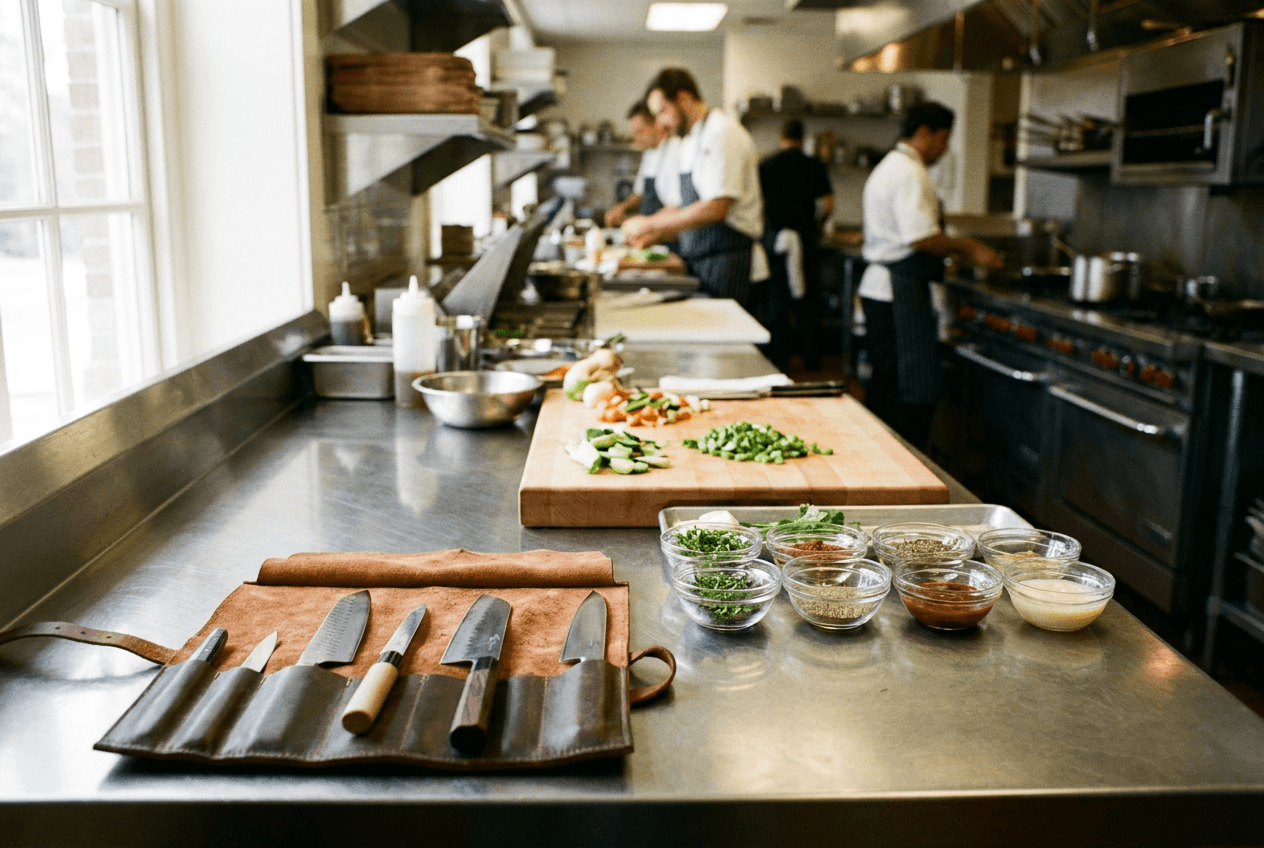
The Phoenix-metro restaurant market in 2026 shows stark differences across submarkets, with Tempe near ASU, Scottsdale Old Town, and Downtown Phoenix commanding vastly different buyer interest and pricing. Quick-service and bar concepts are outpacing full-service restaurants in transaction volume, reflecting broader shifts in foot traffic and consumer behavior post-pandemic.
Phoenix Restaurant Sales in 2026: Where the Market Is Hot and Where It Cooled
For restaurant owners and buyers in the Phoenix metro, the question is no longer whether to sell or buy—it's *where*. The 2026 market reveals a fragmented landscape where submarket location, concept type, and operational model determine not just price, but whether a deal closes at all.
The Submarket Divide: ASU, Old Town, and Downtown
Three submarkets have emerged as bellwethers for the Phoenix restaurant sector: Tempe near Arizona State University, Scottsdale's Old Town district, and Downtown Phoenix. Each tells a different story about foot traffic, demographics, and buyer appetite.
**Tempe Near ASU** commands the highest premium per square foot among casual-dining and quick-service concepts. The university's 70,000+ student body creates consistent daytime traffic, and the surrounding residential density supports dinner service year-round. Sellers in this submarket report faster closing cycles and less negotiation on asking price. Buyers recognize that the demographic—largely age 18–25 with limited income but high frequency—supports specific concept types: pizza, ramen, fast-casual bowls, coffee shops. Full-service sit-down restaurants with high labor costs struggle here because students and campus workers prioritize speed and affordability.
**Scottsdale Old Town** operates in a different universe. This submarket attracts affluent local residents and seasonal tourists, with a willingness to pay premium prices for dining experiences. High-end steakhouses, upscale cocktail bars, and farm-to-table concepts have found sustained success. However, the seasonality is pronounced—summer months see visitor traffic drop sharply, which creates cash-flow challenges for operations with high fixed costs. Pricing multiples here are higher, but so is the risk profile. Transactions close more slowly because the buyer pool is smaller; you're competing for a specific caliber of operator with significant capital.
**Downtown Phoenix**, particularly around the Midtown district and near cultural amenities, has seen modest recovery post-pandemic. The demographic is skewed toward office workers (whose return to work remains uneven) and young professionals seeking walkable dining and nightlife. This submarket is where bar concepts and gastropubs thrive—traffic is event-driven and evening-focused. Full-service restaurants with traditional lunch service underperform because downtown office occupancy has not fully rebounded. Pricing is lower than Scottsdale but comparable to or slightly higher than Tempe on a per-unit basis, depending on the concept.
Employment Trends and Workforce Reality
The Arizona restaurant sector directly employs tens of thousands. According to [Quarterly Census of Employment and Wages data from the U.S. Bureau of Labor Statistics](https://www.bls.gov/cew/), Arizona's leisure and hospitality employment has remained stable but competitive—both sellers and buyers must account for the persistent challenge of recruiting and retaining kitchen staff and front-of-house teams. Labor costs continue to consume 28–32% of revenue in most Phoenix-metro concepts, and this reality shapes valuation. A restaurant with dependable management infrastructure and low turnover commands a premium; one with weak systems does not.
Quick-Service Versus Full-Service: Transaction Volume Tells the Story
Post-pandemic behavior has crystallized into a clear preference hierarchy for buyers. Quick-service restaurants (QSR)—including fast-casual, coffee, pizza, and limited-service concepts—are trading in 6–9 months on average. Buyers perceive lower operational complexity, lower staffing volatility, and more scalable margins. A successful QSR in Tempe or even Downtown Phoenix will attract multiple offers.
Full-service restaurants, by contrast, are taking 12–18 months to sell and often selling at lower multiples of EBITDA. Buyers recognize that full-service dining depends on consistent table turns, complex scheduling, and a trained kitchen team—all of which are harder to sustain in a post-pandemic labor environment. Even well-run establishments find that buyer interest is muted.
Bar concepts occupy the middle ground but skew toward faster turnover. Stand-alone bars, cocktail lounges, and wine bars are moving quickly in Scottsdale Old Town and Downtown because the operational model is simpler (no cooking, lower headcount, higher per-unit economics). A successful bar in Old Town may attract serious buyer interest within 3–4 months.
Why Foot Traffic Patterns Matter More Than Ever
The pandemic permanently changed how consumers choose where to dine. Google Maps, Yelp reviews, and Instagram visibility now drive traffic more than location signage alone. A restaurant in a secondary location with strong reviews and an engaged social-media presence can outperform a mediocre concept in a high-visibility spot.
This has flipped valuation logic for some sellers. A Tempe QSR with genuine foot traffic and repeat customers may command a higher absolute price than a larger, more architecturally impressive full-service restaurant in Scottsdale that relies on seasonal visitors. Buyers are asking harder questions about walk-in traffic, delivery/takeout mix, and loyalty metrics—not just rent and square footage.
The Bar Concept Advantage
One trend deserves specific attention: bar concepts (both standalone bars and bar programs within full-service restaurants) are outpacing comparable dining-only concepts in terms of transaction speed. Here's why:
- **Simpler operations**: no complex kitchen scheduling, lower food-cost volatility - **Higher margins**: beverage programs yield 70–85% gross margin versus food at 60–65% - **Flexible staffing**: bartenders require less specialized training than line cooks - **Event-driven revenue**: can host private events, trivia nights, and themed hours without menu complexity
In Scottsdale Old Town, buyers actively search for bar-forward concepts. Downtown Phoenix's limited office traffic has made bars a more viable option than casual dining. Even in Tempe, student-oriented bar concepts (within legal licensing constraints) convert faster than ramen shops.
Valuation and Market Expectations
According to [data from the Arizona Restaurant Association](https://www.azrestaurant.org/), the state's restaurant industry has stabilized, but regional and submarket differences are pronounced. A buyer should expect:
- **Tempe (QSR, high volume, student demographic)**: 2.5–3.5× EBITDA, 12–month average cap rate 6–8% - **Scottsdale Old Town (upscale, seasonal, high-margin)**: 3.5–4.5× EBITDA, lower cap rates (4–6%) reflecting brand and demographic quality - **Downtown Phoenix (bar, mixed-use, event-driven)**: 2.5–3.5× EBITDA, 6–8% cap rates, higher cash-flow volatility
These are approximations; actual multiples depend on growth trajectory, management strength, and lease structure.
The Lease Question
In all three submarkets, lease terms are the hidden variable. A QSR in Tempe on a long, locked-in lease at below-market rent is exponentially more valuable than an identical operation on a month-to-month renewal at market rate. In Scottsdale Old Town, where rents have inflated with the neighborhood's popularity, a favorable lease is often the difference between a buyer saying yes and walking away. Downtown Phoenix landlords have been more willing to negotiate rent concessions, which can make deals viable.
What This Means for Sellers and Buyers
**For sellers**: Understand your submarket. A full-service restaurant in Tempe will face headwinds; the same concept in Scottsdale Old Town is defensible if positioned as upscale. A bar concept will move faster than full-service almost anywhere. Get a realistic valuation from a broker familiar with submarket-specific cap rates. Don't anchor to a multiple you saw in a restaurant trade magazine—location and concept type matter more than the national average.
**For buyers**: The market rewards specialization. If you're equipped to run a QSR, Tempe offers volume and predictable demographics. If you're an experienced upscale restaurant operator with capital for seasonality, Scottsdale Old Town can yield higher returns. If you're drawn to Downtown Phoenix, ensure your concept is bar-forward, event-driven, or sufficiently differentiated to draw office workers on unpredictable schedules. Don't chase a restaurant just because it's in a popular neighborhood—understand why it's trading at its valuation.
---
> "Location still matters, but it's not a substitute for the right operational model. We're seeing bar and QSR deals close in 60–90 days, while full-service restaurants sit on the market. Smart sellers recognize their submarket's preference and position accordingly. Smart buyers don't fall in love with a building—they validate the demographic and the concept fit." > > — **Eddy Roche, Associate Broker at HUB AZ Brokers | Sunbelt Business Brokers**
---
The Phoenix-metro restaurant market in 2026 is neither uniformly strong nor uniformly weak—it's *selective*. Tempe near ASU rewards high-volume, low-complexity operations. Scottsdale Old Town rewards upscale positioning and owner-operator capital. Downtown Phoenix is emerging as a bar-and-nightlife hub. Understanding these submarket realities, and aligning your concept and operational model to buyer expectations, is the difference between a swift transaction and a prolonged listing.
If you're considering a restaurant sale or acquisition in the Phoenix metro, the first question should be: *Does my concept match this submarket?* BizSalesGuy.com helps restaurant owners and buyers navigate these exact decisions, connecting you with experienced brokers who understand local market dynamics and submarket nuance.
Frequently Asked Questions
Why are bar concepts selling faster than full-service restaurants in Phoenix?
Bar concepts have simpler operations (no complex kitchen), lower staffing complexity, higher beverage margins (70–85% vs. 60–65% for food), and flexible revenue streams (private events, themed nights). This reduces buyer risk perception and shortens time-to-sale from 12–18 months (full-service) to 3–6 months (bars).
Which Phoenix submarket commands the highest restaurant prices?
Scottsdale Old Town commands the highest multiples (3.5–4.5× EBITDA) due to affluent demographics and willingness to pay for upscale dining experiences. However, seasonality and lower office-worker foot traffic create higher risk. Tempe near ASU offers lower multiples (2.5–3.5× EBITDA) but more predictable, consistent volume.
How has post-pandemic foot traffic affected restaurant valuations in different Phoenix submarkets?
Post-pandemic behavior shifted demand toward quick-service and bar concepts in all submarkets. Tempe benefits from consistent student traffic; Scottsdale Old Town depends on affluent diners and seasonal visitors; Downtown Phoenix struggles with inconsistent office-worker traffic, making bar and event-driven concepts more viable than traditional lunch-focused restaurants.
What role does the lease play in Phoenix restaurant valuations?
Lease terms are often the hidden variable in valuations. A favorable, long-term lease at below-market rent significantly increases buyer appeal and valuation multiples. In Scottsdale Old Town, where rents have risen sharply, a locked-in lease is often the deal-maker. Downtown Phoenix landlords have been more flexible with concessions, which can improve deal viability.
Thinking about buying or selling a business in Arizona?
Eddy Roche is an Associate Broker at Sunbelt Business Brokers. He covers the full Phoenix metro and Prescott market.