Phoenix Restaurant Sales in 2026: Where the Market Is Hot and Where It Cooled
Arizona Business Broker · August 1, 2026
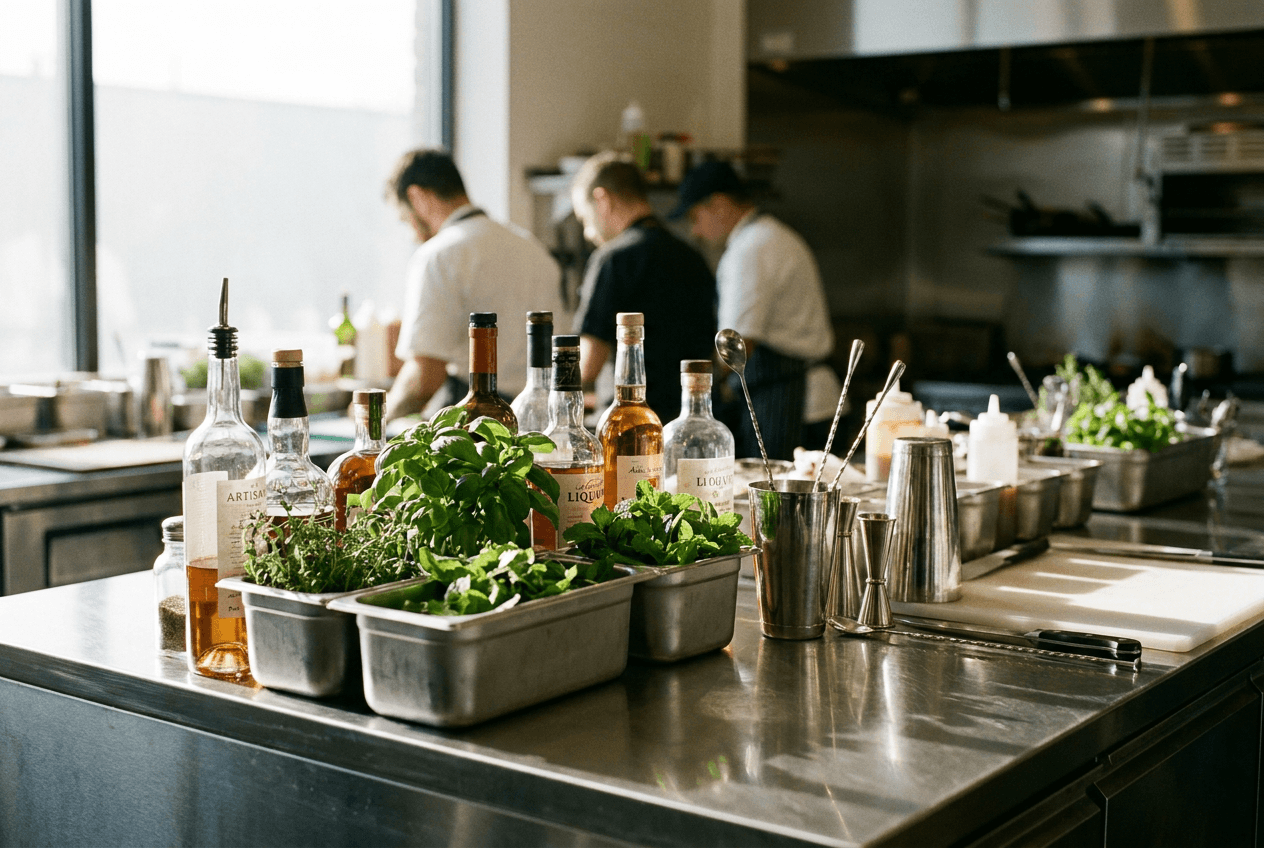
Restaurant pricing and deal velocity vary dramatically by Phoenix submarket in 2026, with Tempe near ASU, Scottsdale Old Town, and Downtown Phoenix commanding different premiums based on foot traffic patterns, concept type, and operational complexity.
Phoenix Restaurant Sales in 2026: Where the Market Is Hot and Where It Cooled
In mid-2026, Phoenix-metro restaurant owners and buyers are operating in a fractured market. Some neighborhoods command premium multiples and sell in weeks; others linger. The difference often comes down to submarket dynamics, concept type, and how well a restaurant recovered—and retained—post-pandemic customer patterns.
This article examines which Phoenix submarkets are seeing the strongest deal velocity and pricing, how quick-service and full-service operators are trading at different valuations, and why bar-forward concepts are moving faster than traditional full-kitchen restaurants.
Arizona Restaurant Employment and Industry Health
Arizona remains a significant restaurant and foodservice hub. According to the [U.S. Bureau of Labor Statistics Quarterly Census of Employment and Wages](https://www.bls.gov/cew/), Arizona's accommodation and food service sector continues to be a major employment driver across the state. This underlying employment base underpins both consumer demand and the talent pool restaurants depend on.
The [Arizona Restaurant Association](https://www.azrestaurant.org/) tracks broader industry conditions including labor costs, regulatory changes, and member sentiment. In 2026, the association has documented ongoing pressure from staffing shortages and rising utility costs, but overall consumer traffic has remained resilient in high-density submarkets—particularly those serving university populations, young professionals, and weekend leisure visitors.
Submarket Dynamics: Tempe Near ASU vs. Scottsdale Old Town vs. Downtown Phoenix
**Tempe Near Arizona State University**
The Tempe corridor near Arizona State University's Tempe campus remains the most predictable restaurant market in the Phoenix metro. Concepts targeting students, faculty, and young professionals benefit from a built-in customer base with stable, year-round demand. QSR (quick-service restaurant) franchises and casual-dining chains in this submarket consistently trade at premium multiples—typically 4.0x to 4.8x SDE—because buyers understand that foot traffic and demographic stability translate to lower revenue volatility.
Full-service concepts in Tempe near ASU also move faster than their Downtown counterparts, though they do not command quite the same multiple premium. The student calendar creates predictable seasonal patterns: higher volume in fall and spring, dips during summer break and finals periods. Savvy buyers factor this in, and sellers who can document these cycles and demonstrate multi-year consistency find that Tempe locations attract competitive offers.
**Scottsdale Old Town**
Scottsdale Old Town represents the opposite end of the spectrum: high pricing, strong weekend traffic, but elevated operational complexity and tighter margins. This submarket commands the highest per-square-foot rent in the Phoenix metro, and restaurateurs here compete on ambiance, brand recognition, and service quality rather than volume alone.
Restaurants in Scottsdale Old Town—especially full-service concepts with bar programs—trade at 3.8x to 4.5x SDE, but the multiples are justified by higher average check sizes and a tourist and affluent local customer base less price-sensitive than other neighborhoods. However, inventory turns are often slower than in Tempe, and deal velocity has cooled slightly in 2026 as buyers scrutinize labor and occupancy costs more carefully.
Bar-forward concepts in Scottsdale Old Town are an exception. Establishments with strong cocktail programs, nightlife positioning, and lower food-cost ratios are seeing premium pricing and faster closes. Buyers view these as lower-labor, higher-margin opportunities compared to full-kitchen restaurants, even in a high-rent submarket.
**Downtown Phoenix**
Downtown Phoenix restaurant sales have bifurcated sharply in 2026. Established concepts in Class A office towers or mixed-use developments with captive lunch crowds continue to perform well and trade in the 3.5x to 4.2x SDE range. However, independent or newer full-service restaurants in street-level spaces have seen cooling demand and pricing pressure.
The core issue: downtown foot traffic remains dependent on office occupancy, convention activity, and weekend events. Remote work has dampened weekday lunch volumes compared to pre-2020, and while evening and weekend traffic has recovered, it is less predictable than ASU-area dining or Scottsdale nightlife. Buyers are therefore more cautious about Downtown Phoenix concepts unless they have established event catering, private dining, or a strong happy-hour and bar program.
QSR franchises and ghost-kitchen operations in Downtown have fared better, as they depend less on destination appeal and more on convenience and delivery efficiency.
Quick-Service vs. Full-Service Pricing and Velocity
The post-pandemic divergence between QSR and full-service remains pronounced in 2026.
**Quick-Service Restaurants (QSR)**
QSR concepts—whether franchised or independent fast-casual operations—consistently move faster and trade at stable or rising multiples across all three submarkets. Buyers cite three key reasons:
- Lower labor intensity (fewer skilled cooks, no front-of-house service staff required) - Predictable payroll and operational costs - Lower dependency on ambiance or location prestige - Faster cash cycles and lower working capital requirements
QSR locations in Tempe near ASU trade at the highest multiples (often 4.5x to 5.0x SDE) because the concept itself is low-risk and the demographic is sticky. Even in Downtown Phoenix, QSR concepts attract bids and close within 60–90 days.
**Full-Service Restaurants**
Full-service restaurants remain on the market longer, typically 120–180 days, and trade at lower multiples (3.5x to 4.2x SDE) across all submarkets. Buyers worry about:
- Higher fixed labor costs and kitchen staffing volatility - Greater sensitivity to economic downturns - Dependency on manager quality and operational systems - Kitchen equipment replacement and maintenance
Full-service concepts do command premium pricing if they have strong bar programs, established private dining, or catering revenue streams—essentially, elements that reduce pure food-cost percentage and improve operational resilience.
Why Bar Concepts Trade Faster Than Full-Kitchen Operations
The most significant shift in Phoenix restaurant sales velocity in 2026 is the speed at which bar-forward and bar-heavy concepts are closing, compared to traditional full-service restaurants.
Bar concepts—whether standalone cocktail bars, wine bars, beer halls, or full-service restaurants with revenue skewed heavily toward alcohol—are trading 30–40% faster than pure food-focused restaurants. Buyers cite several reasons:
1. **Higher Margins**: Alcohol carries a 70–80% gross margin, versus 60–70% for food. A restaurant deriving 40% of revenue from bar sales has significantly higher overall profitability.
2. **Lower Labor Dependency**: A skilled bartender can manage multiple stations and generate high per-order revenue without the infrastructure and staffing of a full kitchen.
3. **Recession Resilience**: Recession-resistant traffic patterns. Even in downturns, consumers spend on drinks and social venues more reliably than on full meals.
4. **Inventory Predictability**: Liquor inventory is standardized, tracked, and less perishable than food. Buyers feel more confident projecting and controlling costs.
5. **Concept Flexibility**: Bar concepts can pivot faster—shifting to food trucks, catering, or private events—without massive fixed-asset sunk costs.
In Scottsdale Old Town and Downtown Phoenix in particular, standalone bars and cocktail-heavy concepts are seeing offers within 45–60 days of listing. Full-kitchen restaurants in the same neighborhoods routinely remain unsold for 150+ days.
Tempe near ASU is a partial exception: even pure food-focused QSR and casual-dining concepts move quickly there, so the bar-concept advantage is less dramatic—but it still exists.
Market Conditions and Buyer Sentiment in 2026
Several macro factors are shaping Phoenix restaurant deal flow in mid-2026:
- **Rising Labor Costs**: Continued wage pressure in Arizona has pushed restaurateurs to scrutinize labor-heavy concepts, favoring QSR and bar-forward models. - **Occupancy Rate Sensitivity**: Buyers are more alert to rent-to-revenue ratios. Concepts in high-rent submarkets (Scottsdale Old Town) must justify premium multiples with equally premium margins. - **Supply Stability**: Restaurateurs with stable, multi-year revenue and customer patterns command faster closes and higher multiples, regardless of submarket.
> "Buyers in Phoenix right now want to see two things: margin integrity and velocity predictability. Bar concepts check both boxes. Full-service restaurants need a compelling differentiator—a strong brand, a chef reputation, or diversified revenue streams—to compete on timing and price." — Eddy Roche, Associate Broker at HUB AZ Brokers | Sunbelt Business Brokers
Practical Takeaways for Sellers and Buyers
If you are a restaurant owner considering a sale in 2026:
- **Tempe near ASU** remains the seller's market. Stable demographics and QSR-friendly conditions push pricing and close timelines. Full-service concepts here still outperform similar restaurants in other submarkets. - **Scottsdale Old Town** rewards premium concepts with strong bar and margin profiles. Pure food-focused restaurants face longer sales and pricing pressure despite location prestige. - **Downtown Phoenix** is submarket-specific. Established concepts with loyal lunch crowds or strong event revenue close well; independent upstarts face skepticism. - **Concept type matters more than ever.** QSR and bar concepts are trading faster and at stable multiples. Full-service restaurants need exceptional margins, differentiation, or an ASU-adjacent location to compete.
If you are a buyer, the fastest opportunities remain QSR franchises in Tempe and bar concepts in high-foot-traffic neighborhoods. Full-service restaurants are repricing downward and offering longer negotiation windows—an advantage if you want to inspect operations deeply and negotiate terms.
BizSalesGuy.com helps Phoenix-metro restaurant owners and buyers navigate these submarket dynamics, evaluate multiples, and time their transactions for maximum advantage. Whether you are preparing to sell or scouting acquisition targets, understanding these regional and concept-specific patterns is essential to making an informed offer or pricing decision.
Frequently Asked Questions
Why do restaurants in Tempe near ASU trade faster than those downtown?
Tempe near ASU has predictable, year-round foot traffic from students, faculty, and young professionals, plus stable demographic demand. Downtown Phoenix's traffic is more dependent on office occupancy and convention activity, which remain volatile post-remote-work shift. This stability translates to buyer confidence and faster closes.
What is driving bar concepts ahead of full-service restaurants in Phoenix?
Bar-focused concepts have higher margins (70–80% on alcohol vs. 60–70% on food), lower kitchen labor requirements, recession-resistant revenue, and more flexible pivoting options. Buyers see bar concepts as lower-risk, faster-cash operations compared to traditional full-kitchen restaurants.
Should I add a bar program to my full-service restaurant if I am planning to sell?
Yes, if operationally feasible. A strong bar program reduces overall food-cost percentage, improves margin profile, and materially increases both valuation multiple and buyer interest. Even a modest cocktail or wine program can accelerate deal closure and pricing.
Which Phoenix submarket offers the best deal timing for a buyer right now?
Tempe near ASU remains the most competitive and fastest-closing. Scottsdale Old Town has slower inventory and more price negotiation room. Downtown Phoenix independent concepts are repricing, offering longer due-diligence windows. Buyer strategy should depend on concept type and margin tolerance.
Thinking about buying or selling a business in Arizona?
Eddy Roche is an Associate Broker at Sunbelt Business Brokers. He covers the full Phoenix metro and Prescott market.