
Paying for Goodwill: What a Buyer Gets for the Price Above the Equipment
Associate Broker · HUB AZ Brokers | Sunbelt Business Brokers of Arizona · AZ license BR579487000
October 19, 2026 · LinkedIn
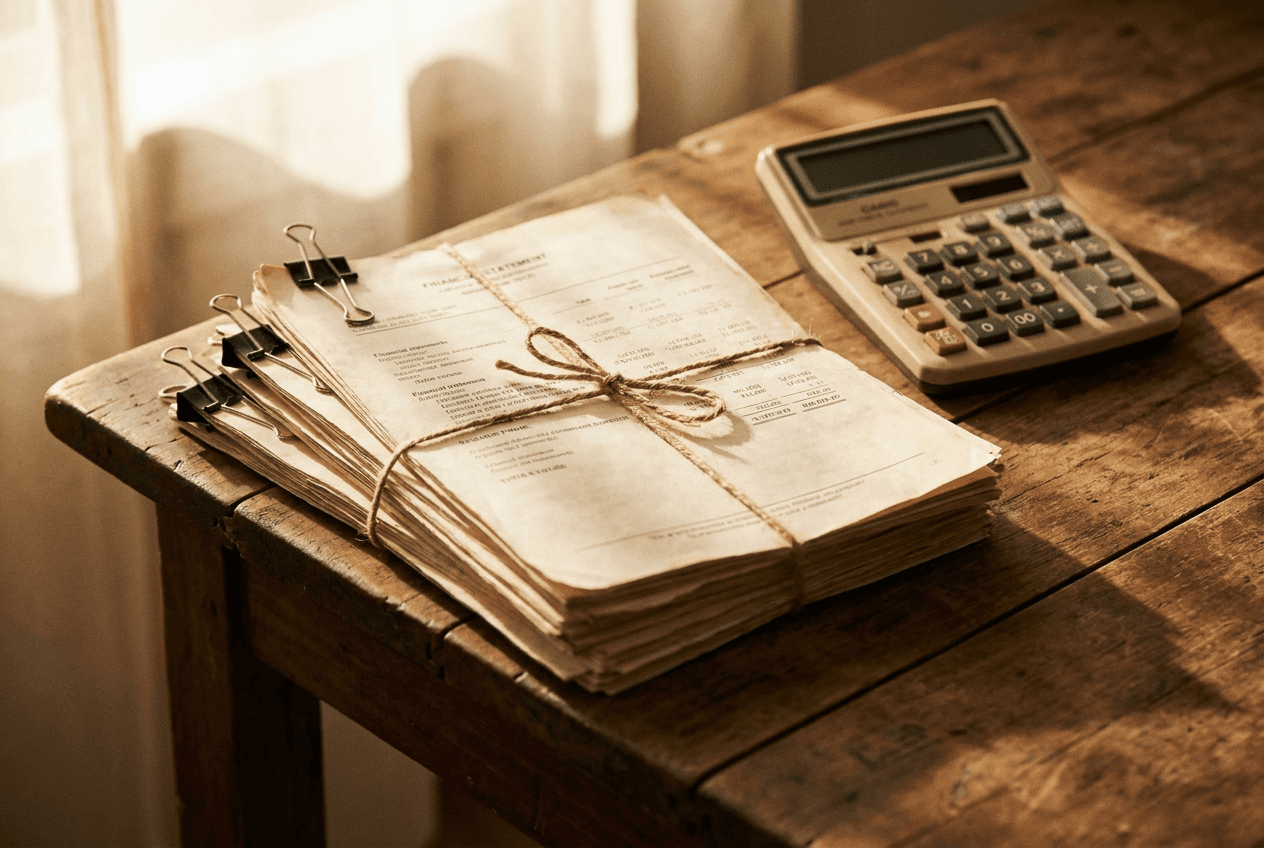
On most Main Street deals, goodwill makes up the largest piece of the purchase price. First-time buyers often struggle to see what it buys. Goodwill is the earning power of the business—the customers, reputation, staff, and brand that generate cash flow above the value of the assets alone.
When a buyer offers you "equipment value plus a little," they're walking away from the deal without knowing it. The "little" is where the actual business lives.
Let me start with the uncomfortable truth: on the deals that cross my desk, goodwill is often 60 to 70 percent of the total purchase price. A buyer who offers to pay only for tangible assets—the equipment, the inventory, the furniture—is offering you a fraction of what the business is actually worth. Sellers who take those offers are selling a going concern for scrap-value money.
Goodwill is not magic. It's the earning power embedded in the business itself. It's the customer list that keeps buying. It's the staff who show up on time and know how to do the work. It's the reputation, the phone number, the brand recognition, the lease location, the systems, the recurring contracts. It's everything that makes the cash flow happen, minus the physical stuff.
When an accountant or a tax advisor talks about "Class VII assets," they're talking about goodwill. Here's how it lands in the deal structure: a buyer allocates the purchase price across seven classes of assets, from Class I (cash and marketable securities) through Class VI (everything else tangible or semi-tangible). Class VII (goodwill and going concern value) receives the purchase price left after Classes I through VI. That residual—whatever is left after the tangible stuff is valued—that's goodwill.
Why does this matter to you as a seller? Because it matters a lot to a buyer, and a buyer who understands it will pay for it. A buyer who doesn't understand it will make a lowball offer and feel smart about it.
Here's the tax side that makes goodwill real money to a buyer. Section 197 intangibles acquired after August 10, 1993 are amortized over 15 years. That means when a buyer closes on your deal, they get to deduct the goodwill portion of the purchase price over 180 months, straight-line. If the goodwill is $300,000, the buyer deducts $20,000 per year for fifteen years. That's a real, recurring tax shield. Every penny of goodwill is deductible income to the buyer, which means the buyer's actual after-tax cost of that goodwill is lower than the sticker price.
A buyer who doesn't understand Section 197 amortization will think they're overpaying for goodwill. A buyer who does understand it will be willing to pay full freight because they know the IRS is effectively subsidizing part of that cost. That's the buyer you want to negotiate with.
So what do you actually sell when you sell goodwill? You're selling the right to the future cash flow. You're selling the customer relationships. You're selling the staff that stays. You're selling the systems and processes that keep the money flowing in. You're selling the intangible assets that, if they left with you, would crater the revenue.
I've seen sellers hand over a business where the owner dependency is total—the owner is the only one who can do the work, knows all the customers by first name, or has the relationships that generate the contracts. In that case, goodwill is nearly zero because there's no actual business left after the owner walks out the door. The buyer is not buying a business; they're buying a job for themselves. That's a fundamentally different deal, and it commands a much lower multiple.
This is where preparation sells businesses. Before you go to market, you need to prove to a buyer that the business works without you in the middle of every transaction. Clean financials, documented processes, a stable staff, recurring contracts, documented customer lists—these things prove that goodwill exists and is transferable. A buyer can then take that cash flow and project it forward, confident that the business will actually generate the money you claim.
A letter of intent locks in the price and the allocation across asset classes. That allocation isn't casual. The buyer will push to put more of the price in inventory or equipment (which depreciates faster or is subject to different tax treatment) and less in goodwill. You'll push the other way. That negotiation happens at the LOI stage, and it carries through to the purchase agreement and the final purchase price allocation on the tax forms. Get this wrong and you're leaving money on the table, or worse, you're creating a dispute that kills the deal.
Here's the mistake I see sellers make: they agree to seller financing on the goodwill portion. A buyer offers you, say, $400,000 for a business with $150,000 in equipment, $100,000 in inventory, and $150,000 in goodwill. The buyer wants to put $200,000 down and finance the rest. Which part are they financing? Often it's the goodwill, because that's where the negotiation room is. If the buyer stops paying halfway through the note, you have to sue to collect, you have a lien on an intangible asset that's gone if the business fails, and you're in a long, expensive collection action. If the buyer defaults after two years, the business has now run for two years under the buyer, and you've just lost the whole deal.
When you verify the cash flow is real during diligence—when you sit with the buyer and walk through the financials, the customer list, the contracts, the revenue history—you're proving that goodwill exists and that it's worth what you're asking. Until that verification happens, goodwill is just a number on a spreadsheet.
This is why I tell sellers: never accept an offer based on equipment value alone. That offer isn't a negotiating position; it's a sign that the buyer doesn't understand what they're buying or doesn't believe the business generates the cash flow you claim. Walk. Find a buyer who gets it.
The buyer who understands goodwill will run their own diligence, verify the cash flow, and pay for what they're actually buying. That's the buyer who will close. That's the buyer who should have been selling to you in the first place.
If you're thinking about selling a business in the Phoenix metro and you want to understand what your business is actually worth—not just the equipment and inventory, but the earning power embedded in the operations—I can walk you through the valuation and the deal structure. That's what I do on every deal, and it's where the money actually gets made.
Related reading: Arizona business valuation, add-backs and SDE in Arizona, letters of intent on Arizona business sales, and seller transition period in Arizona.
Frequently Asked Questions
What percentage of the purchase price is usually goodwill?
On most Main Street deals, goodwill makes up 60 to 70 percent of the total purchase price. The exact percentage depends on the cash flow stability, customer concentration, owner dependency, and the quality of the transferable assets like customer lists and recurring contracts.
Why does a buyer care about the Section 197 amortization?
Section 197 intangibles are deductible over 15 years, meaning the buyer deducts a portion of the goodwill cost from their taxable income each year. This creates a tax shield that reduces the buyer's actual after-tax cost of acquiring goodwill, making them willing to pay higher multiples for proven cash flow.
What happens if I accept an offer for just equipment value?
You're leaving 60 to 70 percent of your business's value on the table. An equipment-only offer signals that the buyer doesn't understand what they're buying or doesn't believe your cash flow numbers. These deals rarely close because the buyer hasn't valued the intangible assets that actually generate the revenue.
Should I finance the goodwill portion of the sale?
Generally, no. Goodwill is an intangible asset, so if the buyer stops paying the note, you have limited recourse and no tangible collateral to seize. A buyer should pay cash or secure financing for goodwill through a lender who has verified the cash flow independently.
Eddy Roche is an Arizona business broker at HUB AZ Brokers | Sunbelt Business Brokers of Arizona. Request a free, confidential valuation.
Get seller guides in your Google feed — add BizSalesGuy as a preferred source.