
Sell My Restaurant in Arizona: the full guide

Eddy Roche, Associate Broker, HUB AZ Brokers
What buyers actually buy
A buyer is not buying a menu. They are buying cash flow they can step into, a lease the landlord will assign, and a license they can operate under. If one of those three is broken, the listing sits.
Owner-operators want a room they can run without you standing in the kitchen. Existing operators adding a location want clean books and a reasonable landlord. Investors want a manager and numbers that hold when you leave. I screen for money and for fit before anyone sees the name of the restaurant.
SDE first, then the license and the assets
Arizona restaurants price on Seller's Discretionary Earnings from multi-year tax returns and P&Ls, plus the add-backs that go away when you leave. Concept risk, remaining lease, and transferability move the multiple.
The liquor license and the equipment support the asking price. They do not replace cash flow. A Series 6 in a quota county can carry its own value. I still start with SDE. You send the financials. I run the number. We talk about what the market will pay. Start with a confidential valuation.
The landlord and the lease
Most Arizona restaurant sales are the business and the leasehold. The real estate stays with the landlord unless you own the box.
Assignment usually needs landlord consent. Buyers want remaining term, documented options, a use clause that matches the concept, and a rent number the sales can carry. Personal guarantees have to be released or replaced. I review the lease before we price. If assignment is restricted, we fix the path or we change the plan.
Series 6, 7, and 12 liquor licenses
- Series 12
- Series 6
- Series 7
A lot of Arizona restaurants run on a Series 12 restaurant license. Rooms that live on alcohol may hold a Series 6 (spirituous, on-sale) or a Series 7 (beer and wine bar). The series changes who can buy, how the transfer works, and whether the license has its own value.
Transfer goes through the Arizona Department of Liquor Licenses and Control. The buyer applies. You cooperate. Eligibility, timing, and liens on the license all matter. I am a broker, not a liquor attorney. On a licensed deal I coordinate the transfer with the same seriousness as the lease. License transfer with the business is on Selling with the liquor license.
What moves a restaurant's multiple
Two restaurants with the same SDE do not sell for the same price. Buyers pay more for earnings they believe will still be there after you hand over the keys, and they discount the ones that look like they walk out the door with you.
- Years left on the lease, options in writing, rent the sales can carry
- A trained team and a manager who already runs the floor
- Recipes and systems written down
- Food and labor costs tracked month by month
- Equipment that passes inspection and won't need replacing
- Add-backs you can document
- Two years left on the lease, or escalations the room can't absorb
- You are the chef, the host and the general manager
- Flat or falling sales
- Slow months that don't cover rent and payroll
- A walk-in, hood or line the buyer has to replace in year one
The lease comes first. Years of remaining term, documented options, and rent the sales can carry push the number up. A lease with two years left or escalations the room cannot absorb pulls it down. Then comes owner dependency. If you are the chef, the host, and the general manager, the buyer has to hire that person before they earn a dollar, and they price that in. A trained team that stays through the change, a manager who already runs the floor, and recipes and systems written down all move you toward the top of the range.
Buyers also read the operating numbers behind the SDE. Food cost and labor as a share of sales, tracked month by month, tell them whether the margin is real or a one-year accident. Flat or falling sales bring the offer down even when the profit is fine. A room that does most of its year between October and April is priced as a seasonal business, and buyers want to see that the slow months still cover rent and payroll. Equipment condition matters too. A walk-in that holds temperature, a hood that passes inspection, and a line that does not need replacing in year one are money the buyer does not have to spend, and they count it.
Add-backs get the same scrutiny. Your personal vehicle, a family member on payroll, and a one-time remodel are legitimate add-backs when they are documented. A buyer or their lender will question every one, so I walk through them with the same skepticism before we set the price.
When the license is worth more than the earnings
An Arizona liquor license is a hard asset with its own market price, set by supply and demand in your county. In a quota county a Series 6 or Series 7 can be worth more than what the restaurant's earnings support as a going concern. When that happens, the multiple stops being the whole story.
If the SDE is thin, a buyer will often structure the deal as an asset sale: the license, the equipment, the leasehold, and the inventory at fair market value, with no multiple applied to weak earnings. That is the floor. A room that has been through a bad year or a rough ownership change can still close on the strength of the license and a landlord willing to assign. If the SDE is strong, the multiple carries the price and the license is one component inside it.
Either way I value the license on its own before we talk price, because it anchors the bottom of any offer you will see. The transfer itself runs the way I describe under Series 6, 7, and 12 above.
Recently sold
 Sold
Commercial HVAC business in Arizona


 Sold
Profitable HVAC business
 Sold
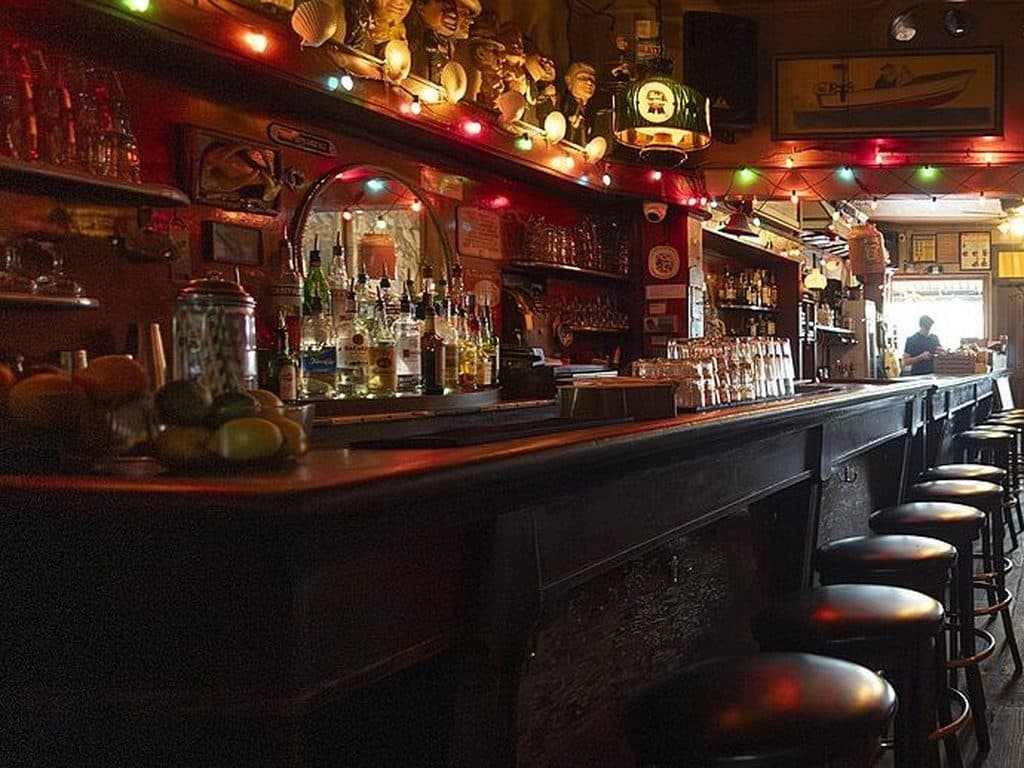
Historic locals' bar in Prescott Valley w/ Series 6 liquor license
 Sold
Profitable consignment store in the East Valley
 Sold
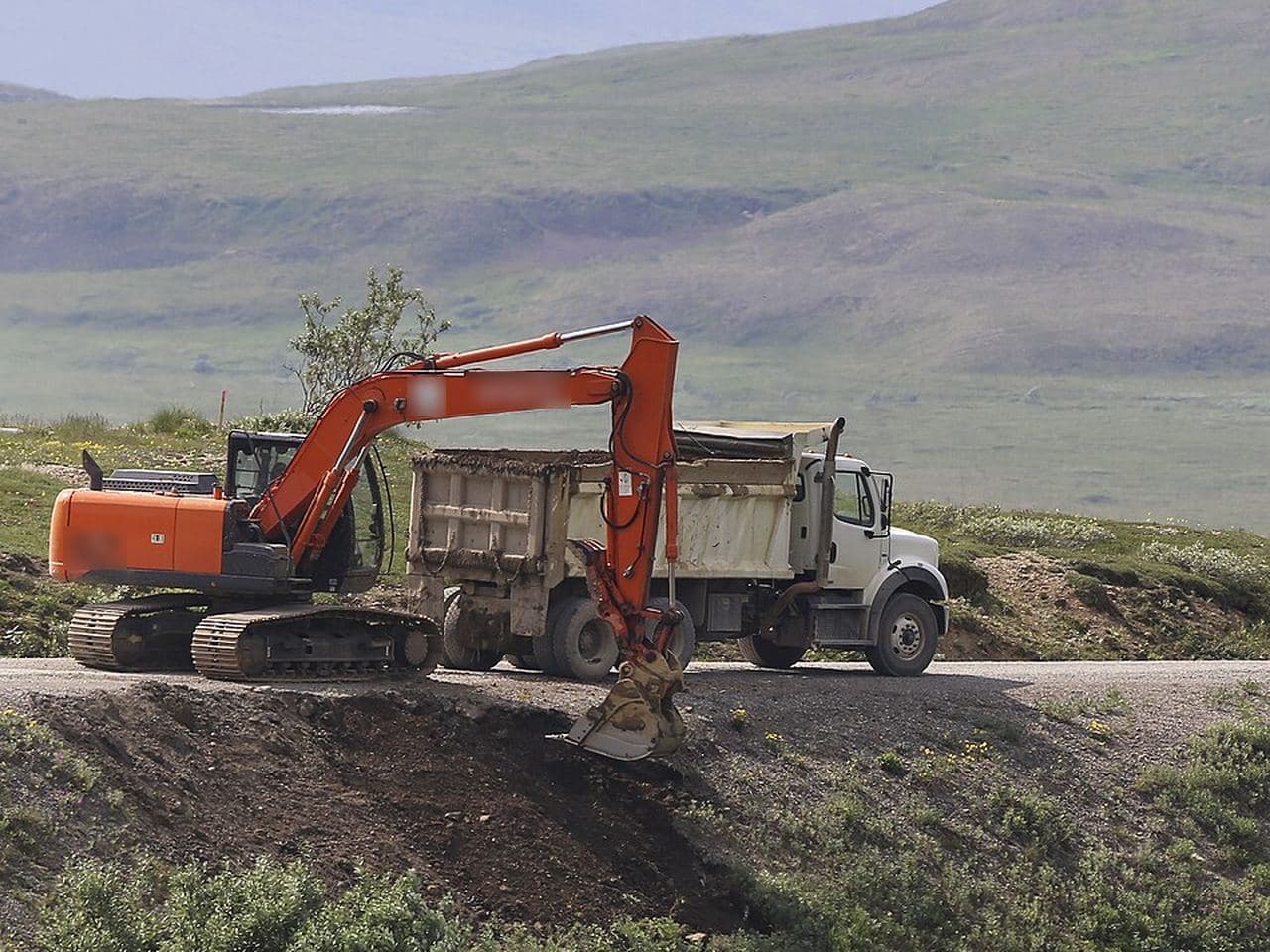
Asphalt paving and grading services
 Sold
Construction materials sourcing company
 Sold
Managed IT service provider (MSP)
 Sold
Commercial millwork and cabinetry manufacturing company
 Sold
Niche insurance agency
 Sold
Electrical contractor
 Sold
Home staging business in Phoenix metro
 Sold
Pool service company
 Sold
Signage business
 Sold
Grading and land excavation company
Want a straight read on your restaurant?
Send the last three years of returns and the lease. I will tell you what I see on price, lease risk, and the license path. No listing appointment required.
Confidential marketing
Public teasers do not name the restaurant, the street, or you. Buyers sign an NDA before they see identifying information. Tours happen off-hours or as a guest.
You control when staff and regulars hear it. Usually that is after we have a serious buyer and a path to close. The quiet-marketing path is on how a confidential sale works.
Across Arizona
I work restaurant and bar files across Arizona. Lease conversations, city licensing, and seasonal cash flow are local questions. An online listing does not sit in those rooms with you.
If you are still comparing brokers, read Choosing a broker. The listing process is on how a sale works. Bar and tavern files are on How I sell a bar.
More answers
The questions owners ask next.
- How do I compare Arizona brokers for a restaurant sale?
- Confirm an Arizona Department of Real Estate license, ask how many restaurant or bar files they actually close, require written confidentiality before the name is shared, and get a written SDE approach. See how to choose an Arizona business broker.
- How do I start?
- Free confidential valuation at bizsalesguy.com/value-my-business or (480) 405-3200. Eddy Roche, Associate Broker. Across Arizona.
Ready to talk about the restaurant?
Confidential. No obligation. Across Arizona. More about how I work.